Leave Your Message
0%

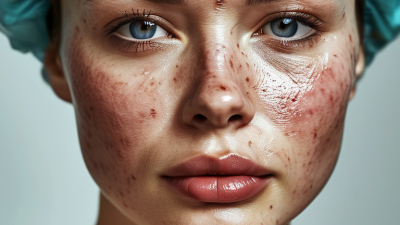
Picking a top-notch non-ablative fractional laser in China for scar removal isn't just about comparing power levels. Honestly, it requires some clinical know-how, trustworthy evidence, and realistic expectations from patients. So, what exactly does non-ablative fractional laser treatment do? Well, basically, it creates tiny controlled zones of heat beneath your skin while leaving most of the surface intact. This can help rebuild collagen and gradually improve skin texture. It’s often used for Acne scars, surgical marks, or certain traumatic scars. But keep in mind, how well it works really depends on things like how deep the scar is, how old it is, your skin type, the treatment settings, and how you take care of your skin afterward.

A good provider should take the time to explain the device’s wavelength, how they control the pulses, what cooling methods they use, and safe usage data. You might come across terms like 1540 Fractional Laser Non Ablative — which usually refers to a 1540 nm platform used for fractional skin remodeling. But honestly, just knowing the wavelength doesn’t guarantee better results. It’s not the whole story.

A skilled practitioner will assess your scar in natural light, checking out its texture before they start. They tend to be cautious, especially if you have darker skin or are treating sensitive areas. After the procedure, it’s normal to experience redness, swelling, dryness, or uneven healing. And yeah, rare complications can happen, so no device is completely foolproof. Keep in mind, the results you see on promotional pics aren’t necessarily what you'll get in real life — usually, multiple sessions are needed. The key is honest advice over any flashy promises.

A solid treatment plan should include a review of your medical history, sun exposure habits, what you hope to achieve, and clear instructions for follow-up. Relying on scientific studies or manufacturer info helps, but nothing beats a professional assessment. This intro aims to peek behind the scenes of how leading Chinese manufacturers approach device design, precision, operator training, and quality control — plus, it points out the limitations worth thinking about. Let’s be real: a shiny brochure doesn’t count as medical proof. Evidence and clinical judgment should always come first.
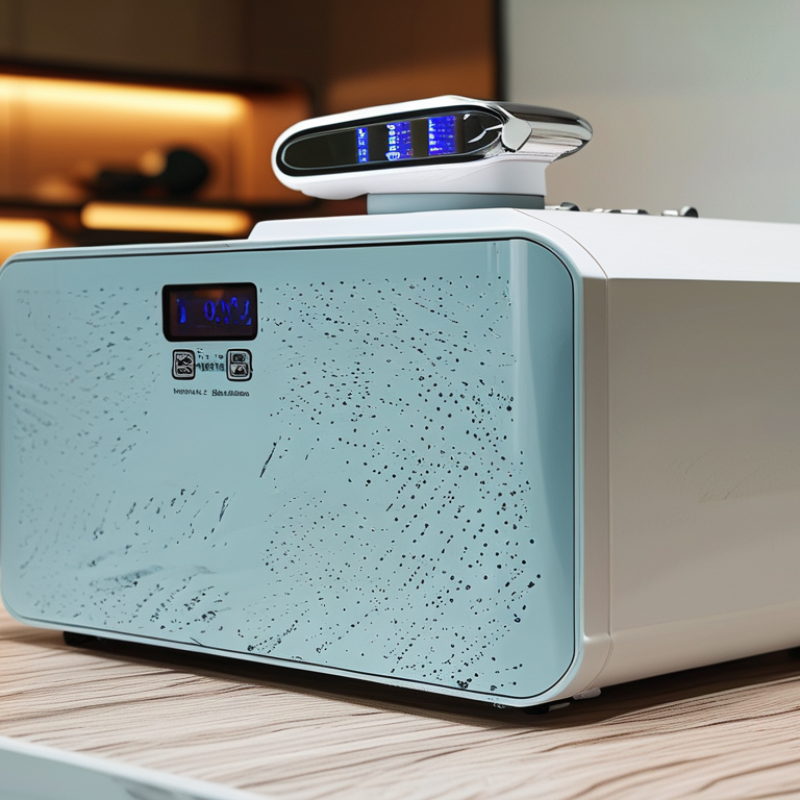
China Top Non Ablative Fractional Laser for Scar Removal

What Is Non-Ablative Fractional Laser Scar Removal?

China Top Non Ablative Fractional Laser for Scar Removal

What Is Non-Ablative Fractional Laser Scar Removal?

Non-ablative fractional laser scar removal treats the skin beneath the surface without removing the entire outer layer. The device delivers controlled heat through tiny treatment columns. Healthy skin remains between them, supporting faster recovery and collagen remodeling.

This approach may soften acne scars, surgical marks, and uneven texture. It does not erase scars completely. Results depend on scar depth, skin type, age, and healing response. A qualified dermatologist should examine the scar before treatment. They may adjust the energy level and recommend several sessions. Redness, warmth, swelling, or temporary darkening can occur. Careful settings matter, especially for darker skin tones.

Tips: Choose a licensed, experienced provider and ask about their scar-treatment history. Avoid tanning before and after each session. Use gentle cleanser, moisturizer, and broad-spectrum sunscreen. Do not pick peeling skin. Results can appear gradually over several weeks. That waiting period can feel frustrating. A follow-up visit helps assess progress and refine the plan. Some scars respond unevenly, and that is normal rather than a treatment failure.

China Top Non-Ablative Fractional Laser for Scar Removal: Representative Wavelengths

Non-ablative fractional lasers create microscopic zones of controlled thermal injury while leaving surrounding skin intact. Common clinical wavelengths used for scar treatment include 1440 nm, 1540 nm, 1550 nm, and 1565 nm. The selected wavelength, energy, density, and number of sessions depend on scar type, skin condition, and professional assessment.

How Non-Ablative Fractional Laser Technology Treats Scars

How Non-Ablative Fractional Laser Technology Treats Scars

Non-ablative fractional laser treatment targets scarred skin without removing its surface layer. The device delivers controlled heat into microscopic columns beneath the epidermis. This heat encourages collagen remodeling and supports gradual skin renewal. Healthy skin remains between the treated columns, which may allow faster recovery than fully ablative procedures. The treated area may feel warm, swollen, or sunburned for several hours. Redness can last longer, especially on sensitive skin.

The process works gradually. Many patients need several sessions, spaced weeks apart, because collagen changes develop slowly. It may soften acne scars, improve uneven texture, and reduce the sharp edges of some surgical scars. However, results depend on scar depth, age, skin type, and aftercare. Deep or raised scars may require a different treatment plan. It is not a perfect reset. Some scars remain visible.

A qualified dermatologist should examine the scar before treatment and discuss realistic outcomes. Medical history, active skin conditions, and pigment sensitivity matter. Darker skin may face a higher risk of temporary color changes, so conservative settings and careful monitoring are important. Daily broad-spectrum sunscreen helps protect recovering skin from unnecessary pigmentation. Do not pick peeling areas or use harsh products without professional guidance. Even with careful treatment, results can be uneven, and further adjustment may be needed.

Which Scar Types May Benefit from This Treatment?

Which Scar Types May Benefit from This Treatment?

Non-ablative fractional laser may help scars that feel uneven, look depressed, or show lingering discoloration. It is commonly considered for mild to moderate atrophic acne scars, including rolling and shallow boxcar scars. Some surgical and traumatic scars may also soften gradually. A 2022 systematic review in Dermatologic Surgery examined more than 20 clinical studies and found repeated improvements in scar texture and patient-reported appearance. However, treatment settings varied widely, so those results are not a guarantee.

Raised hypertrophic scars and keloids need greater caution. Laser may sometimes improve redness, thickness, or stiffness when combined with specialist care, but it is rarely a complete solution alone. Active acne, open wounds, infection, or uncontrolled inflammation should be addressed first. The American Academy of Dermatology warns that darker skin tones may face a higher risk of post-inflammatory hyperpigmentation after laser procedures. Careful test spots and conservative settings matter.

In practice, clinicians assess scar age, depth, color, skin type, and healing history before treatment. Improvement usually develops across several sessions, not overnight. Some scars respond unevenly. That part is easy to underestimate. A 2023 review in Lasers in Medical Science also noted inconsistent outcome measurements across studies, which limits direct comparisons. Honest consultation should include realistic photographs, possible pigment changes, and the chance that another treatment may be more suitable.

China Top Non-Ablative Fractional Laser for Scar Removal - Which Scar Types May Benefit from This Treatment?

Practical overview of scar types that may respond to non-ablative fractional laser resurfacing

Scar Type Typical Appearance Potential Benefit from Non-Ablative Fractional Laser Common Treatment Considerations Important Limitations or Precautions Overall Suitability
Atrophic Acne Scars Depressed scars caused by loss of collagen, including rolling, boxcar, and some shallow ice-pick scars. May improve skin texture, collagen remodeling, scar depth, and overall surface irregularity. Several sessions are commonly required, with treatment intervals determined by healing and the device settings. Deeper scars may need combination treatment. Ice-pick scars often respond less completely because of their narrow and deep structure. Subcision, chemical reconstruction, or other procedures may be considered for selected cases. Often suitable, especially for shallow to moderate atrophic scars.
Post-Surgical Depressed Scars Indented or uneven scars that remain after surgical incisions have healed. May soften the scar surface, improve texture, and reduce contrast with surrounding skin. The incision should be fully closed and clinically healed before treatment. Scar age, thickness, location, and tension all affect the plan. Active infection, wound breakdown, or significant inflammation must be addressed first. The final result may be gradual rather than immediate. Potentially suitable after complete wound healing and professional assessment.
Traumatic Atrophic Scars Depressed or irregular scars following cuts, abrasions, accidents, or other injuries. May promote remodeling of dermal collagen and improve uneven texture. Best considered after the scar has matured and there is no open wound or active inflammation. Multiple treatments may be needed. Scars with retained foreign material, ongoing inflammation, or extensive tissue loss may require other medical management. May be suitable when the scar is stable and predominantly atrophic.
Striae Distensae (Stretch Marks) Linear depressed marks that may appear red, purple, pink, or pale white. May improve texture and color contrast, particularly in newer or reddish stretch marks; mature white marks may also show partial improvement. Results vary according to age, color, depth, skin type, and body location. A series of treatments is generally needed. Complete removal should not be expected. Pigmentary changes are possible, especially in darker skin tones. Possible benefit, but results are variable and usually partial.
Post-Inflammatory or Post-Acne Red/Brown Marks Flat red, pink, brown, or gray discoloration left after acne or skin inflammation. Fractional treatment may help selected cases, but these marks are pigment or vascular changes rather than true depressed scars. Sun protection and appropriate topical treatment are often important. The treatment approach should match the cause of the discoloration. Laser treatment may worsen post-inflammatory hyperpigmentation in susceptible individuals. Active acne should be controlled first. May be considered selectively; not the primary treatment for every discoloration.
Hypertrophic Scars Raised, firm scars that remain within the original wound boundaries. May help improve stiffness, surface texture, redness, or pliability in selected mature scars, often as part of a broader scar-management plan. Assessment may include scar thickness, activity, symptoms, and response to previous treatment. Other options may include silicone, injections, pressure therapy, or surgery. Non-ablative fractional laser is not always the first-line treatment for an actively thickening or symptomatic raised scar. Selected cases only; specialist assessment is recommended.
Keloid Scars Raised scars that extend beyond the original wound or injury boundaries. Laser may sometimes be used as an adjunct to other therapies, but it does not reliably eliminate keloid growth on its own. Management is individualized and may involve injections, pressure therapy, silicone, surgery, or other approaches. There is a risk of recurrence or further stimulation of abnormal scar growth. Treatment should be planned by a qualified clinician. Generally not a stand-alone first-line indication.
Active Acne or Inflamed Skin Current inflammatory lesions, pustules, cysts, irritation, or infection in the treatment area. Non-ablative fractional laser is primarily used for established textural scars rather than uncontrolled active inflammation. Acne and skin inflammation are usually stabilized before scar resurfacing is considered. Treating active inflammation may increase discomfort, irritation, or the risk of complications. Usually postpone until the skin is clinically stable.

Clinical note: Non-ablative fractional laser creates microscopic treatment zones while preserving surrounding skin, which can support gradual collagen remodeling with generally less downtime than fully ablative resurfacing. Individual results depend on scar type, scar maturity, skin tone, treatment settings, aftercare, and the clinician’s assessment.

General safety considerations: A qualified dermatology or medical-aesthetic professional should evaluate the scar before treatment, especially for darker skin tones, a history of abnormal scarring, active infection, recent isotretinoin use, photosensitivity, or a tendency toward post-inflammatory hyperpigmentation.

Step-by-Step Procedure for Fractional Laser Scar Removal

Fractional Laser Scar Removal: A Step-by-Step Procedure

A qualified clinician begins with a consultation. The scar’s age, depth, color, and texture are assessed carefully. Medical history, medications, skin sensitivity, and healing problems also matter. Standardized photographs document the starting appearance. A careful plan matters. Results vary between individuals.

Before treatment, the skin is cleansed and dried. Topical anesthetic may reduce discomfort, depending on the treatment area. Protective eyewear is required. The clinician then selects suitable energy, density, and pulse settings. A 1550nm Non-Ablative Fractional Laser delivers controlled heat into microscopic skin zones. The surface remains mostly intact. The handpiece moves across the scar in an even pattern. Several passes may be needed, but excessive energy can increase irritation. Less can be wiser.

After treatment, the skin may look red and feel warm, like mild sun exposure. Cooling and a bland moisturizer can improve comfort. The patient should avoid picking, intense heat, and unprotected sunlight. Daily broad-spectrum sunscreen supports safer healing. Follow-up checks help assess redness, texture, and pigment changes. Additional sessions may be spaced weeks apart. One session rarely tells the full story. A perfect result is not promised, and improvement can be gradual. Conservative settings may require patience, yet aggressive treatment is not automatically better.

Safety Considerations and Possible Treatment Side Effects

A 1550nm Fractional Laser Non-Ablative device heats the dermis without removing the skin surface. This approach may soften acne scars while reducing recovery time. However, “non-ablative” does not mean risk-free. Clinical studies report temporary redness, swelling, warmth, and rough texture after treatment. These effects often last one to three days, but individual recovery varies. The American Society for Laser Medicine and Surgery stresses controlled energy settings, cooling, and trained supervision for safer laser procedures.

Skin color requires careful planning. A 2022 systematic review in Lasers in Medical Science found that post-inflammatory hyperpigmentation remains a concern after fractional laser treatment, especially in Fitzpatrick skin types IV to VI. Reported rates differ widely between studies, often because settings, sun exposure, and follow-up periods are inconsistent. Patients may also experience acne flares, milia, prolonged redness, or uneven results. Rare complications include infection, burns, and temporary or persistent color changes.

A detailed consultation should review active acne, eczema, cold-sore history, medications, and recent tanning. Test spots can provide useful information, although they cannot predict every reaction. Daily broad-spectrum sunscreen is essential before and after treatment. The practitioner should document fluence, pulse duration, density, and skin response. Evidence is encouraging, but not perfect. Laser treatment may improve texture, not erase every scar.

Aftercare Guidance and Expected Skin Recovery

Aftercare begins immediately after a Non Ablative Erbium Glass Laser session. The treated skin may feel warm, tight, or mildly swollen. A gentle cool compress can ease discomfort during the first few hours. Do not press ice directly onto the skin. Cleanse with lukewarm water and a fragrance-free cleanser. Pat dry with a soft towel.

Keep the area moisturized with the clinician-recommended barrier cream. Avoid rubbing, exfoliating acids, retinoids, and fragranced products until the skin has recovered. Tiny dark dots or rough patches may appear as damaged surface cells shed. This can look concerning, but it is often part of normal healing. Do not pick them. Keep sun exposure low, even near windows, and apply broad-spectrum sunscreen when advised.

Most redness improves within several days, while texture changes may continue for several weeks. Scar improvement is gradual. Recovery is not perfectly linear. Some days may look better, then slightly worse after heat, exercise, or sun exposure. That surprised me during early clinical observations, and it remains an important reminder: skin needs time. Contact a qualified medical professional if swelling increases, pain becomes severe, blisters develop, or discharge appears. Follow-up timing should reflect skin type, scar depth, treatment intensity, and personal healing history.

How to Choose a Reliable Chinese Laser Manufacturer or Clinic

Choosing a reliable Chinese laser manufacturer or clinic requires more than searching for a “top” supplier. For scar removal, review the team’s clinical experience, treatment protocols, and safety documentation. A 1540 Laser Non Ablative system should have clear technical specifications, quality records, and traceable production information. Ask whether the manufacturer provides operator training, maintenance support, and prompt responses after installation. A low price can hide costly service problems.

Tips: Request regulatory documents for your market. Check calibration and maintenance procedures. Ask for real, standardized before-and-after cases. Confirm who performs the treatment and how complications are managed. Do not rely only on edited photographs.

A trustworthy clinic should complete a detailed consultation before treatment. The practitioner should examine scar depth, skin type, healing history, and previous procedures. They should explain expected redness, recovery time, possible pigmentation changes, and the number of sessions. Be cautious when results sound guaranteed. Real skin is unpredictable. That matters.

For manufacturers, speak with existing users and request a live device demonstration. Observe the interface, handpiece condition, energy controls, and cleaning process. For clinics, check professional credentials and whether patient records are handled securely. I would also ask uncomfortable questions about failed treatments and corrective care. A polished website is not proof of expertise. Reliability appears in ordinary details, including honest answers, consistent follow-up, and written treatment plans.

Complete Guide to Picosecond Nd:YAG Laser for All-Tattoo Removal: Benefits, Uses, and Safety

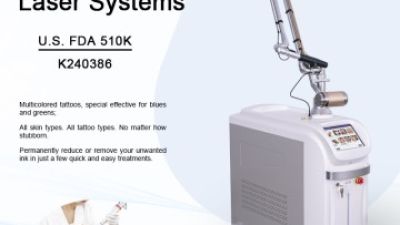
Picosecond Nd:YAG laser technology has become an important option for modern tattoo removal clinics and aesthetic practices. By delivering ultra-short pulses of energy, it creates a photoacoustic effect that breaks tattoo ink and other pigmentation into smaller particles. These fragments can then be gradually cleared through the body’s natural immune processes. The approach is suitable for many types of natural and artificial pigmentation, including multicolored tattoo designs that may respond differently to conventional laser systems.

A professional picosecond Nd:YAG platform, such as the BL-C10, is designed to support efficient treatment while helping limit unnecessary heat exposure to surrounding tissue. Its versatility may allow practitioners to select suitable wavelengths and energy settings according to ink color, pigment depth, skin type, and treatment area. Careful assessment and customized settings remain essential for achieving consistent results and reducing the likelihood of temporary redness, swelling, or pigmentary changes.

For patients, the main advantages include short treatment pulses, potentially less downtime, and a gradual fading process that can be monitored across multiple sessions. Protective eyewear, cooling measures, thorough medical evaluation, and appropriate aftercare should be incorporated into every procedure. Practitioners should also explain that treatment response varies and that complete removal cannot always be guaranteed, particularly when pigments are deeply placed or resistant to laser energy.

FAQS

What is non-ablative fractional laser scar removal?

It treats deeper skin layers without removing the entire surface. Tiny heat columns stimulate collagen remodeling.

Which scars may benefit from this treatment?

Mild to moderate depressed acne scars may improve, especially rolling and shallow boxcar scars. Some surgical or traumatic scars may soften.

Can this treatment completely erase scars?

No. It may soften texture, color, and depth. Complete removal is uncommon, and results vary.

How many treatment sessions might be needed?

Several sessions are often recommended. Improvement usually appears gradually over several weeks, not overnight.

What happens during recovery?

Redness, warmth, swelling, or temporary darkening may occur. Use gentle cleanser, moisturizer, and broad-spectrum sunscreen.

Are raised scars suitable for this laser?

Raised scars and keloids require caution. Laser may reduce redness or stiffness with specialist care, but rarely solves them alone.

Who should avoid treatment temporarily?

Active acne, open wounds, infections, or uncontrolled inflammation should be addressed first. Treatment may need to wait.

Why are darker skin tones treated carefully?

They may have a higher risk of post-inflammatory hyperpigmentation. Conservative settings and test spots can reduce uncertainty.

How should someone choose a treatment provider?

Choose a licensed, experienced professional. Ask about similar scars, healing problems, pigment changes, and realistic photographs.

What if the scars respond unevenly?

Uneven improvement can happen. It is not automatically treatment failure, though the plan may need refinement. Results are imperfect.

Conclusion

Non-Ablative Fractional Laser Scar treatment is a modern skin procedure that targets selected microscopic areas beneath the surface without removing the outer layer entirely. By delivering controlled laser energy, it stimulates collagen remodeling and gradually improves the texture, color, and visibility of certain scars. It may benefit acne scars, surgical scars, traumatic scars, and some stretch marks, although results vary according to scar type, age, depth, skin condition, and individual response.

A typical procedure includes skin assessment, cleansing, protective measures, energy adjustment, and carefully planned laser passes. Temporary redness, swelling, warmth, dryness, or mild discomfort may occur, while proper aftercare includes gentle cleansing, moisturization, strict sun protection, and avoiding irritating products during recovery. Multiple sessions may be recommended, with results developing gradually over several weeks or months. When selecting a reliable Chinese laser manufacturer or clinic, consider professional training, device quality control, safety testing, regulatory compliance, treatment records, and clear communication about risks, costs, and expected outcomes.
Sophia

Sophia

Sophia is a dedicated marketing professional at Shanghai Beiru Medical Technology Co., Ltd., where she leverages her extensive knowledge of the company's innovative medical products to drive engagement and awareness. With a strong background in healthcare marketing, she excels at translating......
Previous How to Choose a Top China IPL SHR Device Supplier?