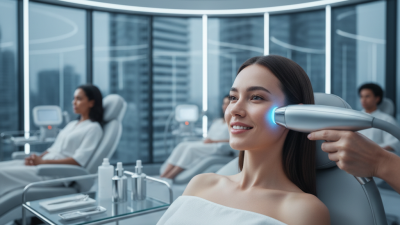
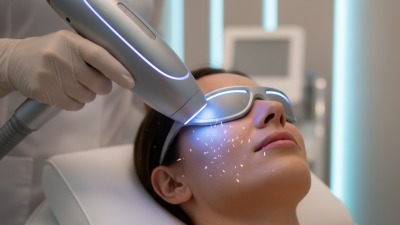
Skin resuRfacing has become pretty popular with folks looking to give their skin a fresh new look. Did you know? According to the American Society for Aesthetic Plastic Surgery, these procedures have actually gone up by about 41% over the past five years — it's definitely gaining traction. But here's the thing: with so many options out there, it can be pretty overwhelming trying to figure out what’s right for you. I mean, it’s like, where do you even start, right?
One advanced treatment that’s getting a lot of attention is Erbium Fractional Skin Laser Resurfacing. People have found it works really well for smoothing out Acne scars and fine lines. But honestly, choosing the right resurfacing method isn’t a one-size-fits-all kind of thing. You’ve gotta consider your own skin type and what concerns you most. The Journal of Clinical and Aesthetic Dermatology even points out that results can vary pretty a lot depending on these factors.
It’s super important to understand how effective each treatment is, how long recovery might take, and what side effects could pop up. Sure, lots of options seem promising, but no treatment is perfect — results can differ from person to person. That’s why taking the time to think about your personal skin goals and chatting with a skin expert is so worth it. Picking the right skin resurfacing treatment isn’t always straightforward, but with a bit of knowledge and some good advice, you’ll be better equipped to make the right call.
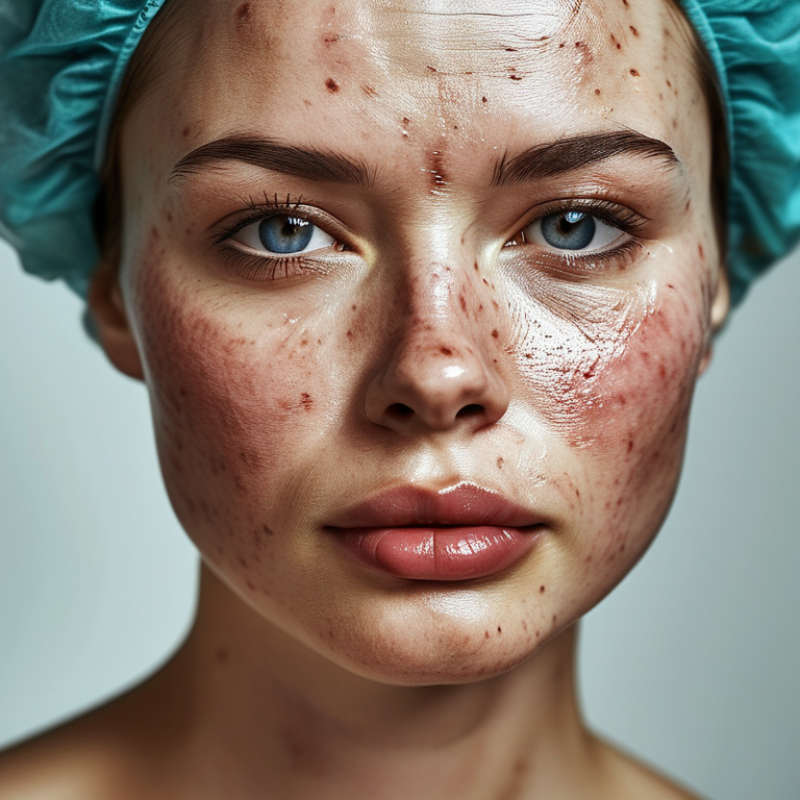
Understanding Skin Resurfacing: What Is It?
Skin resurfacing is a cosmetic technique that rejuvenates the skin's appearance. It involves removing layers of skin to promote regeneration. Various methods exist, including laser treatments, chemical peels, and microdermabrasion. Each method targets specific skin issues like wrinkles, scars, or uneven tone.
Research shows that the global skin resurfacing market was valued at approximately $3 billion in 2022, with expected growth of over 8% annually through 2030. This growth emphasizes the rising demand for effective skin treatments. Many practitioners recommend personalized assessments, as a one-size-fits-all approach can be inadequate. Each skin type reacts differently, and understanding individual needs is critical.
It's vital to consider potential side effects. Not everyone achieves perfect results. Some patients experience redness or peeling after treatment. A detailed consultation with a qualified dermatologist can reveal more about these risks. Consulting professionals with a solid track record enhances the likelihood of satisfaction. Aim for transparent discussions about expectations.
Different Types of Skin Resurfacing Treatments Explained
When considering skin resurfacing treatments, it's crucial to understand the different options available. One popular method is the combination of microdermabrasion and chemical peels. Microdermabrasion gently exfoliates the top layer of skin. It improves texture and tone but may not address deeper wrinkles effectively. Chemical peels, on the other hand, use acids to remove damaged skin layers. They can be tailored for various skin types, but some individuals may experience redness or peeling.
Another option is laser resurfacing. The Glass Fractional Laser is a notable technique that targets specific skin issues like scars and pigmentation. This method stimulates collagen production, enhancing skin elasticity. However, recovery can take time, and side effects may include swelling or irritation. Individuals must weigh the benefits against potential discomfort.
Ultimately, choosing the best treatment requires self-reflection. Assess your skin type, concerns, and goals. It's essential to consult with a qualified professional who can guide you through the process. They can help you navigate the complexities and find an approach tailored to your unique needs. Every treatment has its pros and cons, and being informed is key to achieving desirable results.
Factors to Consider When Choosing a Skin Resurfacing Treatment
When choosing the right skin resurfacing treatment, several factors come into play. Skin type and condition are crucial. For instance, patients with acne scars may benefit significantly from advanced options like the Fractional Co2 Laser Skin Resurfacing Machine. Clinical data suggests that this treatment can improve skin texture by over 80% in just a few sessions. Patient needs vary widely, and understanding these differences is key to achieving desired results.
Another important consideration is recovery time. Some treatments require minimal downtime, while others may involve weeks of healing. For example, traditional laser treatments often lead to redness and swelling that last days. However, with machines like the Fractional CO2 Laser Skin Resurfacing Machine, many find the recovery smoother and quicker. About 30% of users indicate they return to normal activity within a week, which is appealing for those with busy lifestyles.
Patient education is vital in this process. Many might expect immediate results, but skin healing takes time. It’s not unusual for patients to experience initial setbacks as their skin adjusts to treatment. Reflecting on these experiences can guide future decisions for more effective outcomes. Being aware of both the benefits and limitations will lead to a better understanding of what to choose for personalized skin care.
Assessing Your Skin Type and Condition for Treatment Selection
Choosing the right skin resurfacing treatment starts with understanding your skin type and condition. Different treatments work better for various skin types, such as oily, dry, or combination skin. Using data from the American Academy of Dermatology, around 50% of patients experience adverse effects when the wrong treatment is applied. This underscores the importance of proper assessment.
Consider skin conditions like acne scarring or hyperpigmentation. According to a study published in the Journal of Cosmetic Dermatology, 60% of individuals with these issues saw significant improvement after tailored treatments. However, inappropriate selection caused dissatisfaction in nearly a third of cases. Skin evaluation should include sensitivity levels and underlying health concerns.
Your skin requires a nuanced approach. Consultation with a skincare professional is essential. They can identify aspects like texture, pore size, and pigmentation. Remember, not every treatment suits everyone. Embrace the idea that finding the best option may involve trial and error. Each step should be aligned with your unique skin attributes and personal goals.
How to Choose the Best Skin Resurfacing Treatment for You?
| Skin Type | Common Conditions | Recommended Treatments | Expected Results |
| Oily | Acne, enlarged pores, rough texture | Chemical Peels, Laser Resurfacing | Improved texture, reduced oiliness |
| Dry | Fine lines, dullness, uneven tone | Microdermabrasion, Retinol Treatments | Smoother texture, brighter appearance |
| Combination | Breakouts, flaky patches, uneven skin tone | Fractional Laser, Combination Peels | Balanced skin, reduction in imperfections |
| Sensitive | Redness, irritation, allergic reactions | Gentle Peels, LED Therapy | Calmer skin, reduction in sensitivity |
| Mature | Deep wrinkles, sun damage, age spots | Laser Resurfacing, Radiofrequency Treatments | Tighter skin, reduced signs of aging |
Consultation with a Dermatologist: What to Expect
Consulting with a dermatologist is a vital step in finding the right skin resurfacing treatment. During your initial visit, expect a thorough evaluation of your skin type and concerns. The dermatologist will discuss your medical history, including any prior treatments. Don’t hesitate to share your goals—this helps in personalizing your treatment plan.
The consultation may include a skin analysis using advanced equipment. This helps determine the best options for you. For example, Co2 Ablative Laser For Skin Resurfacing may be suggested for deeper wrinkles or scars. However, this treatment has its risks and requires careful consideration. Ask about the recovery time and potential side effects.
After the consultation, reflect on your options. It is normal to feel overwhelmed. Don’t rush decisions; give yourself time to absorb the information. A good dermatologist will guide you through each possibility. Your comfort and understanding are paramount in this process.
Aftercare Tips for Optimal Results Post-Treatment
After receiving skin resurfacing treatment, proper aftercare is crucial for achieving optimal results. Immediately post-treatment, your skin may appear red and sensitive. This is normal, and you should treat your skin gently. Avoid sun exposure for at least two weeks to prevent pigmentation issues. Apply a broad-spectrum sunscreen every day, even if it’s cloudy. Use a light, moisturizing cream to keep your skin hydrated.
It's essential to avoid harsh products and aggressive treatments during recovery. Look closely at your skin's response each day. If you notice excessive redness or irritation, consult your skin care professional. Your skin’s healing process varies, and listening to it is key. Consider keeping a journal of your aftercare routine and how your skin reacts each day. This reflection can help you identify what methods work best for you moving forward.
Nutrition also plays a role in healing. Stay hydrated and maintain a balanced diet. Antioxidant-rich foods can support skin recovery and enhance results. Remember, patience is vital. Results won’t be immediate, and it’s normal to feel anxious about your appearance during this time. Embrace the journey, and focus on nurturing your skin with care and intention.
Potential Risks and Side Effects of Skin Resurfacing Procedures
Skin resurfacing procedures can offer significant benefits, but they also carry potential risks and side effects. Understanding these factors is crucial before committing to any treatment. Research reveals that adverse effects can occur in up to 10% of patients. Common issues include redness, swelling, and changes in skin pigmentation. Some individuals may experience prolonged healing times or sensitive skin after the procedure.
One specific option is Medical Co2 Laser Skin Resurfacing, which can result in smoother skin. However, it also has a higher risk of complications. Studies indicate that around 20% of patients may deal with scarring or infection, emphasizing the need for proper aftercare. Proper consultation with a qualified dermatologist is essential for minimizing these risks. They can assess your skin type and history, allowing for a tailored approach.
Apart from these immediate concerns, there are long-term effects to ponder. Some patients may find that their skin texture changes over time, which can lead to dissatisfaction. A thorough understanding of both risks and benefits is necessary to make an informed decision about skin resurfacing. Balancing expectations with realistic outcomes is crucial for a satisfying experience.
Potential Risks and Side Effects of Skin Resurfacing Procedures
FAQS
: Popular treatments include microdermabrasion, chemical peels, and laser resurfacing. Each has unique benefits and drawbacks.
Microdermabrasion gently exfoliates the top skin layer, improving texture and tone. It may not effectively reduce deep wrinkles.
Yes, chemical peels can lead to redness or peeling. Individual reactions vary, so understanding your skin type is essential.
Laser resurfacing targets specific skin issues like scars. It stimulates collagen, enhancing skin elasticity. Recovery can take time.
A dermatologist helps evaluate your skin and discusses treatment options. Sharing your goals aids in creating a personalized plan.
Risks include redness, swelling, and changes in pigmentation. Some experience prolonged healing or sensitive skin. Proper aftercare is crucial.
It's normal to feel overwhelmed. Take time to consider your options before making a decision. Understanding is essential.
Choosing a qualified dermatologist and sharing your medical history can help tailor the treatment and minimize risks.
Yes, skin texture may change over time, and some patients feel dissatisfaction. Balancing expectations with reality is vital.
Weighing the potential benefits against risks is important. Personal reflection can guide you to make informed choices.
Conclusion
Skin resurfacing is a popular cosmetic procedure aimed at improving the texture and appearance of the skin. The process involves removing the outer layers of skin to reveal a healthier, more youthful complexion underneath. Different types of skin resurfacing treatments, such as laser therapy, chemical peels, and microdermabrasion, offer varying levels of intensity and results. When choosing a treatment, it is essential to consider factors such as skin type, the specific skin condition being addressed, and the desired outcomes.
Consultation with a dermatologist is crucial to determine the most appropriate skin resurfacing option, as they can provide personalized recommendations based on individual skin assessments. Aftercare plays a significant role in achieving optimal results, so following post-treatment guidelines is vital to minimize risks and side effects, which may include redness or irritation. Ultimately, informed decisions about skin resurfacing can lead to enhanced skin health and appearance.