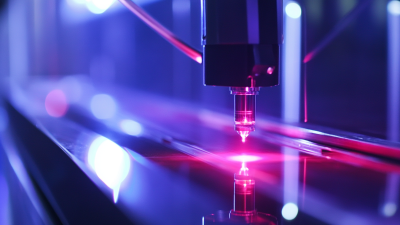
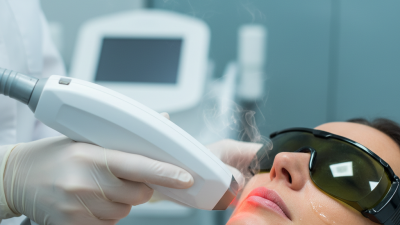
So, diode laser hair removal uses intense pulses of light to help get rid of unwanted hair, and it usually takes a few sessions to see good results. Here’s how it works: the device directs light into your skin, and the pigment in your hair absorbs some of that energy. That energy turns into heat, which can impact the hair follicle’s ability to grow new hair. The goal isn’t just to warm the skin — it’s about specifically targeting the hair pigment without harming the surrounding skin.
Back in the day, researchers like Dr. Rox Anderson and Dr. John Parrish explained this process with the idea of “selective damage to pigmented targets in the skin.” Basically, that’s why your hair color, skin tone, and the settings on the laser device really matter. Usually, a wavelength of around 808 nm is used in professional laser systems, but that number alone doesn’t tell you how comfortable the treatment will be or how well it’ll work. Since hair grows in cycles, sessions are spaced out over time, and results can vary quite a bit from person to person.
You might see the term Hair Laser Removal 808nm Diode Laser Hair Removalfloating around — that’s just referencing this specific wavelength. But keep in mind, the actual experience depends on a bunch of factors like the device design, cooling systems, the technician’s training, and even your individual skin and hair type. Things like a clean handpiece and protective goggles might seem minor, but they really matter. Also, don’t expect just one session and peRfect results. The label might sound super confident, but reduction isn’t guaranteed to be permanent; some hair might grow back, and you could need touch-ups later.
Any good provider should have an honest chat with you about what to expect — discussing benefits, potential irritation, and whether the treatment fits your skin and hair type. Honestly, that conversation is just as important as the technology itself, if not more so.
What Diode Laser Hair Removal Is
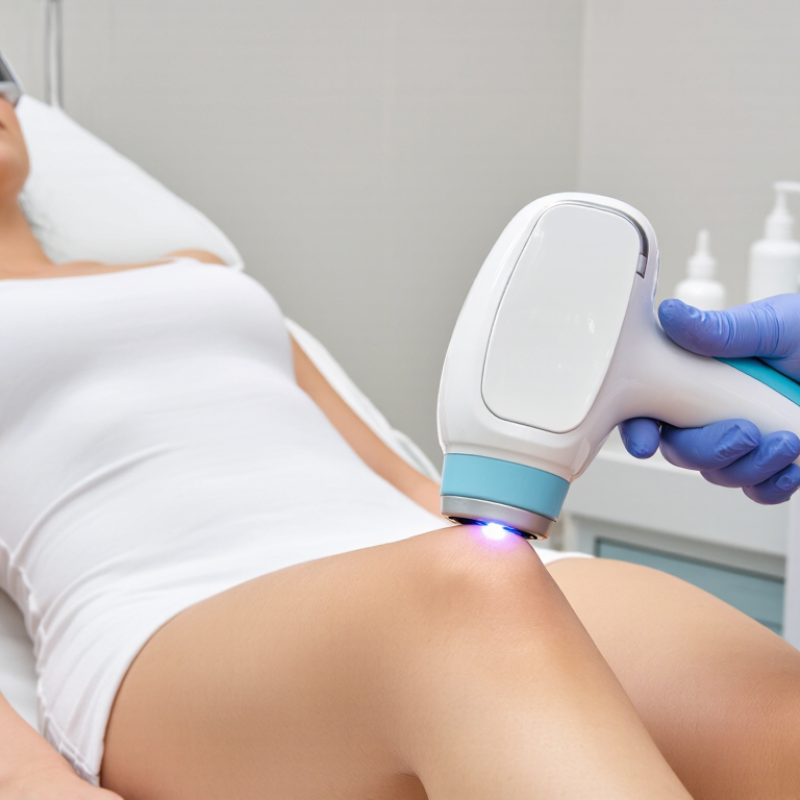
Diode laser hair removal is a light-based treatment that reduces unwanted hair growth. A handheld device sends concentrated light into the skin. Pigment in the hair absorbs this energy, which becomes heat around the hair follicle. The goal is to limit the follicle’s ability to produce new hair, not to remove every hair in one visit. Hair grows in cycles, so several sessions are commonly needed. Results vary with hair color, skin tone, treatment area, and individual response.
The treatment is often used on areas such as the legs, underarms, or face. A trained provider should assess the skin and hair before choosing settings. During a session, you may feel brief warmth or a rubber-band-like snap. Cooling systems can make treatment more comfortable. Temporary redness or sensitivity may occur. It is worth remembering that “laser hair removal” can sound more final than the results really are; some people need maintenance treatments.
Tips: Follow the provider’s preparation instructions, and avoid tanning before treatment. Tell them about medicines or skin conditions. Shave the area if advised, but do not wax or pluck beforehand, since the laser needs hair pigment in the follicle. Afterward, use gentle Skin Care and protect treated skin from direct sun.
The Main Parts of a Diode Laser System
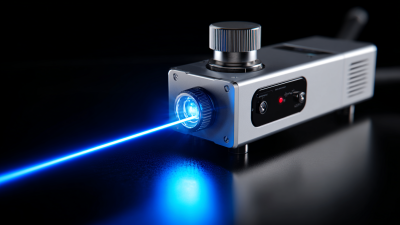
A diode laser hair removal system has several parts working together. The laser source produces a focused beam of near-infrared light. In the handpiece, optics guide that light toward the skin. Hair pigment absorbs some of the energy, which creates heat around the follicle. The aim is to reduce future growth while limiting heat to nearby skin. It is precise work.
The handpiece also contains a contact surface, often paired with a cooling system. Cooling can help protect the skin’s surface and improve comfort during treatment. You may feel a brief snap or warmth as the operator moves the handpiece across a small area. The control unit sets factors such as pulse duration and energy level. Those settings need to suit the person’s skin and hair characteristics; one setting does not fit everyone.
A display shows selected parameters, while built-in sensors and safety controls may monitor operation. Protective eyewear is essential for the treatment room, not an optional extra. These components matter, but technique matters too. Uneven contact or rushed passes can affect coverage. I would not assume that a sophisticated machine guarantees a good result; assessment, training, and careful adjustment remain part of the process.
How Laser Light Targets Hair Follicles
A diode laser sends concentrated light into the skin, where pigment called melanin absorbs some of its energy. In a hair shaft, this energy becomes heat. The heat travels toward the follicle and can disrupt its ability to produce hair. It does not pull hair out. The follicle needs to be in an active growth phase for treatment to work well.
That matters. Since hairs grow in different cycles, one appointment usually cannot treat every follicle effectively.
An 808 nm wavelength is commonly discussed for this approach because it can reach pigment deeper in the skin than some shorter wavelengths. Still, skin tone, hair color, and device settings affect how much energy is absorbed. Very light, gray, or red hair may respond poorly because it contains less suitable pigment. Cooling can help protect the skin and make treatment more comfortable, though brief warmth or redness may still occur. People searching for Hair Removal 808nm Diode Laser For Hair Removal should look for clear explanations of skin assessment, settings, and realistic results. A qualified practitioner can adjust treatment to the individual; even then, outcomes vary, and permanent reduction is not guaranteed. I would not assume that more heat means better results.
What Happens During a Treatment Session
Before a diode laser hair removal session, the practitioner reviews your medical history, recent tanning, medications, and goals. They assess your skin and hair, since pigment levels influence the device settings. It is easy to underestimate how personal those settings are. The treatment area is usually shaved beforehand; longer hairs can heat the skin’s surface. You may be given protective goggles.
During treatment, the handpiece moves over small sections, delivering brief pulses that heat pigment in hair follicles. A cooling tip or chilled gel may ease discomfort, though pulses can feel like quick pinches or warm snaps. Some areas are more sensitive than others. The session may take minutes for the upper lip or longer for the legs. Afterward, mild redness or swelling around follicles can occur and may last a day or two. Ask about suitable aftercare, including gentle skin care and limiting sun exposure. Not instantly. Hair reduction happens gradually, and follow-up sessions are commonly needed because follicles respond best during certain growth stages. Results vary from person to person.
Why Hair Growth Cycles Affect Results
Diode laser hair removal directs concentrated light toward pigment in the hair shaft. The absorbed energy becomes heat and can damage the follicle’s ability to produce hair. The treatment works best when a hair is actively growing and connected to its follicle. Not every hair is in that phase at the same time.
That timing matters. Hair grows in cycles, and only a portion of visible hairs are actively growing during any one session. A treated area may look smoother for a while, then show new growth as other follicles enter their active phase. This is not necessarily a sign that treatment failed. Sessions are usually spaced weeks apart so more hairs can be reached during the right stage. The interval depends on the body area, hair pattern, and individual response.
A Hair Removal 808nm Diode Hair Removal Laser Device uses light around 808 nanometers, though device settings and suitability vary. Skin tone, hair color, and hair thickness can affect results; very light or gray hair may respond less predictably. A trained provider should assess these factors and adjust treatment safely. Shaving may be recommended before a session, while plucking can remove the target hair temporarily. Progress is gradual. It can be tempting to judge results after one appointment, but that often gives an incomplete picture.
What Is Diode Laser Hair Removal and How Does It Work? - Why Hair Growth Cycles Affect Results
Diode laser hair removal uses light absorbed by pigment in the hair and follicle, producing heat that can impair the follicle’s ability to regrow hair. Results vary by hair color, skin tone, treatment area, and individual response.
| Hair-cycle stage | What happens | Laser relevance | What this means for treatment |
| Anagen (active growth) | The hair is actively growing and connected to the follicle; pigment is generally more available along this structure. | A treatment is generally most effective when a suitable hair is in this stage, because pigment can absorb thE Light and transfer heat toward the follicle. | A single session cannot treat every follicle at its most responsive stage. |
| Catagen (transition) | Growth slows and the hair separates from the structures that support active growth. | The changing connection can make treatment less effective than during active growth. | Some follicles may be less responsive at this point in the cycle. |
| Telogen (resting) | The follicle is resting; the old hair may remain temporarily before it sheds. | A resting follicle may not respond as well because it is not producing an actively growing hair. | Later sessions can target hairs that enter active growth after an earlier visit. |
| Exogen (shedding) | A club hair is released from the follicle; shedding may occur as part of normal cycling. | Visible shedding after a session does not necessarily mean every follicle has been permanently disabled. | Regrowth can reflect follicles becoming active at different times, rather than immediate treatment failure. |
Why multiple sessions are usually needed
| Factor | Practical explanation |
| Follicles cycle independently | At any one time, hairs in the same area can be in different growth stages, so one appointment cannot catch them all during active growth. |
| Timing differs by area and person | Hair-cycle patterns vary with body area and individual factors. Treatment intervals should be set by a qualified provider rather than assumed to be identical for everyone. |
| Hair and skin characteristics matter | Dark, pigmented hair is generally a better laser target than white, gray, blond, or red hair. Safe settings and expected response also depend on skin tone and individual assessment. |
| Results are gradual | Hair may shed over the weeks after treatment, and a series of sessions is commonly needed. Long-term reduction varies; maintenance may be appropriate for some people. |
Note: This table is general educational information, not a treatment plan. A qualified clinician should assess suitability, skin and hair characteristics, treatment settings, and session timing.
Factors That Influence Treatment Suitability
Diode laser hair removal uses concentrated light that targets pigment in hair follicles and can reduce future growth. Hair grows in cycles, so several visits are usually needed. Suitability depends on hair color, skin tone, treatment area, and the device settings. Darker, coarse hair often responds better than fine, pale, red, or gray hair. Skin tone alone does not decide eligibility; a trained provider should select appropriate settings and assess the risk of irritation or pigment changes.
Tips: Share your medical history and medication list before treatment. Mention recent tanning, skin sensitivity, or a history of scarring. Ask whether a small test spot is appropriate, and follow the clinic’s instructions about sun exposure and shaving. Small details matter.
People searching “Permanent Hair Removal Speed 808 Diode Laser Hair Removal” should read the wording cautiously. Laser treatment may provide long-lasting hair reduction, but results vary and complete permanent removal is not guaranteed. Hormonal changes can also lead to new growth. I would not judge suitability from a device name alone; an individual assessment is more useful, though it cannot predict every result.
Common Effects and Safety Considerations
Diode laser hair removal sends concentrated light into the skin, where pigment in the hair absorbs energy. The resulting heat can damage the follicle and slow future growth. It usually takes several sessions because hairs grow in different cycles. Results vary with hair color, skin tone, treatment area, and individual response. No session can promise permanent, complete removal. The phrase Diode Laser 755 808 1064 Diode Laser Hair Removal is sometimes used to describe systems offering multiple wavelengths; the correct settings depend on the person, not just the device.
Common effects include brief redness, warmth, and small bumps around treated hairs. These often settle within hours or a few days. Less commonly, blistering, burns, or changes in skin color can occur, especially with unsuitable settings or recent tanning. Eye protection matters. A qualified practitioner should review medical history, medicines, and skin sensitivity, then consider a test spot. Tell them about new irritation or unusual pain. Small details matter.
Tips: Avoid tanning before treatment, and follow the clinic’s aftercare instructions. Use a cool, clean cloth if skin feels warm; do not rub or pick at it. Ask when to pause shaving, exfoliating, or active skin products. If redness worsens, blisters appear, or pain persists, contact a healthcare professional. Advice is not perfect for everyone, and that uncertainty deserves attention.
ASPS 2023 Procedural Statistics–Informed Guide to 1550nm and 1927nm Nonablative Fractional Resurfacing
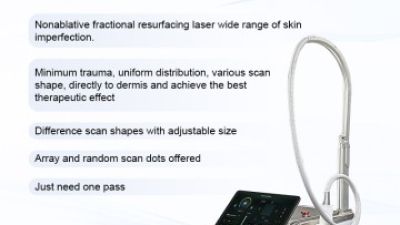
Nonablative fractional resurfacing uses microscopic treatment zones to stimulate skin renewal while leaving surrounding tissue intact. In a procedural landscape tracked by annual plastic surgery statistics, these treatments offer a nonsurgical option for patients seeking gradual improvements in tone and texture. A 1550 nm wavelength generally targets deeper layers and may be considered for acne scars, uneven texture, and mild to moderate skin laxity. The 1927 nm wavelength acts more superficially and may help address sun-related discoloration and signs of aging.
Treatment planning depends on skin concerns, skin type, medical history, and tolerance for temporary redness or swelling. A clinician may select one wavelength or combine both to address concerns at different depths. Several sessions may be recommended, with settings and intervals adjusted to the individual rather than applied as a fixed protocol. Fractional resurfacing may also be considered for selected cases of acne vulgaris, but active breakouts and other skin conditions should be assessed before treatment.
Patients should discuss expected results, recovery, and potential pigment changes with a qualified medical professional. Careful pre-treatment assessment and appropriate aftercare, including sun protection, help support a safe, realistic treatment plan.
Conclusion
Diode Laser Hair Removal is a method of reducing unwanted hair by directing concentrated light toward the pigment in hair follicles. A typical system includes a laser source, a handpiece that delivers the light, and cooling or control components designed to support comfort and consistent treatment. The light’s energy is absorbed by the hair and converted to heat, which can affect the follicle’s ability to produce new growth while limiting exposure to surrounding skin.
During a session, the treatment area is assessed and prepared before the handpiece is applied in a series of pulses. Because hair grows in different cycles and the laser is most effective on actively growing hairs, multiple sessions may be needed. Suitability and results can vary with skin tone, hair color and thickness, treatment area, and individual health factors. Temporary redness, warmth, or mild swelling may occur. A qualified provider can discuss expected outcomes, precautions, and whether the treatment is appropriate for an individual.