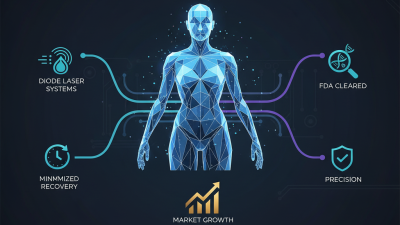
The global aesthetic tech market? It's moving fast. And Body Contouring Equipment is drawing attention from clinics, hospitals, and distributors around the world. Grand View Research put the global body contouring market at about USD 2.1 billion in 2023, and it expects growth to keep going through 2030. Fortune Business Insights also sees strong expansion—though its market boundaries and forecast numbers don't line up exactly. And that gap? It actually matters.
These days, buyers aren't just looking at treatment claims. They're comparing device safety, clinical evidence, operator training, maintenance response, and the total cost of ownership. Non-invasive platforms that use radiofrequency, cryolipolysis, Ultrasound, and electromagnetic stimulation each come with their own protocols and patient-selection rules. A supplier you can trust should be upfront about what a treatment can and can't do. Vague promises? That's usually a red flag.
Big names and distributors—Allergan Aesthetics, BTL, Cutera, InMode, Cynosure, and Zimmer MedizinSystems—serve different parts of the market. Their product lines, certification paths, service networks, and training models aren't all the same. So buyers should check current regulatory clearance in each target market instead of just trusting a brochure. It's also smart to ask for published clinical data, warranty terms, spare-parts availability, and documented installation support. Those details get very real on a busy clinic day: a delayed handpiece, confusing software guidance, or missing consumables can throw off scheduled treatments.
Reports can point you in the right direction, but they don't guarantee anything. Market forecasts can oversell demand. Local reimbursement policies, import requirements, practitioner skills, and consumer confidence can all shift the outcome. This guide introduces top Body Contouring Equipment suppliers for global buyers, while nudging you toward evidence-based comparison and careful due diligence. PeRformance matters. So does accountability.

Body Contouring Equipment: Definition, Uses, and Treatment Categories
Top Body Contouring Equipment Suppliers for Global Buyers
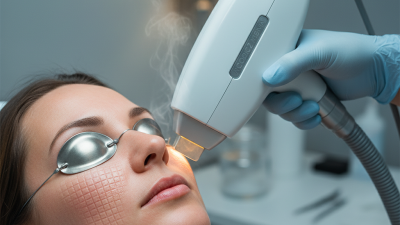
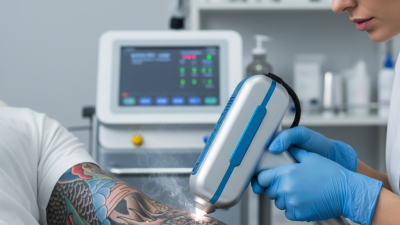
Body contouring equipment uses controlled energy to reshape selected areas. It does not replace weight management or surgical treatment. Common categories include cryolipolysis, radiofrequency, focused ultrasound, laser energy, and electromagnetic muscle stimulation. These systems target localized fat, mild skin laxity, cellulite appearance, or muscle conditioning. Non-Invasive Body Contouring usually requires little downtime, but results vary between patients.
The ISAPS Global Survey 2023 recorded more than 1.5 million nonsurgical fat-reduction procedures worldwide. That figure shows strong demand, not guaranteed clinical value. A supplier’s sales brochure cannot replace peer-reviewed evidence. Buyers should examine treatment parameters, published outcomes, contraindications, and maintenance requirements. Not all fat behaves alike.
For global buyers, reliable sourcing involves more than comparing prices. Check regulatory documentation for the destination market, electrical certifications, operator training, warranty terms, and local technical support. Ask whether treatment heads require frequent replacement. Request realistic photographs and follow-up data, not only ideal results. The FDA notes that non-invasive body contouring can still cause pain, burns, swelling, or uneven results. That warning deserves attention. Fit matters. Equipment selection should match patient screening, operator skill, room ventilation, and expected treatment volume. Some purchasing decisions remain imperfect because long-term comparative evidence is still limited. Awareness of that gap supports safer, more credible procurement.
Body Contouring Equipment: Typical Treatment Session Duration by Category
The chart compares commonly used body contouring equipment categories by their typical treatment-session duration. Actual times vary according to treatment area, applicator size, treatment settings, patient anatomy, and equipment specifications. These technologies are generally used for non-invasive fat reduction, skin tightening, Body Shaping, or muscle stimulation.
Key Features to Evaluate When Comparing Global Equipment Suppliers
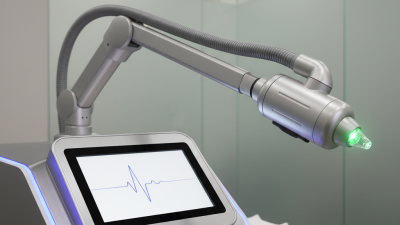
Global buyers evaluating body contouring equipment should examine more than the purchase price. A supplier’s technical documents reveal its professionalism. Look for measurable specifications, treatment parameters, cooling limits, noise levels, and power requirements. For a Body Contouring Machine Slimming, ask how performance is tested under continuous daily use. Request clear images of handpieces, cables, screens, and emergency controls. Small details matter.
Supplier experience also deserves close attention. Ask for installation records, operator training plans, and service response times in your region. A dependable supplier should explain maintenance schedules without vague promises. Check whether replacement parts are available locally or require long international shipping. Training should cover safe operation, cleaning, troubleshooting, and realistic treatment expectations. Marketing claims alone are weak evidence.
Reliability includes compliance. Request electrical safety reports, user manuals, labeling information, and documents required in the destination market. Confirm that the equipment’s intended use matches local regulations. Review the warranty carefully, including exclusions, repair procedures, and software support. Independent inspection can reveal problems hidden by polished demonstrations. No supplier gets every detail right. That is worth remembering. I would also compare sample invoices, packaging photos, and delivery terms before signing. A low quote may conceal installation fees, customs delays, or unavailable technical support. Ask difficult questions early, then record every answer.
Major Types of Body Contouring Technologies and Their Applications
Body contouring technologies serve different clinical goals, and global buyers should not treat them as interchangeable.
Cryolipolysis targets localized fat through controlled cooling, often around the abdomen, flanks, or thighs. Radiofrequency devices heat tissue to support collagen remodeling and mild skin tightening. Focused ultrasound can disrupt subcutaneous fat at selected depths, while magnetic muscle stimulation supports abdominal or gluteal muscle conditioning.
The American Society of Plastic Surgeons reported 325,669 liposuction procedures in its 2023 Plastic Surgery Statistics Report. That figure shows continuing demand for fat reduction, but non-surgical equipment addresses different patients and expectations.
The FDA explains that non-invasive body contouring does not produce weight loss and may require multiple sessions. Small changes matter.
In practical use, a clinic may combine radiofrequency for lax skin with cooling for a visible flank bulge. Treatment rooms need calibrated applicators, documented patient screening, and clear consent forms.
The 2023 Global Survey from the International Society of Aesthetic Plastic Surgery recorded strong worldwide activity in non-surgical aesthetic procedures, reinforcing the need for trained operators and measurable outcomes.
However, reported procedure volumes do not prove equal device performance. That distinction is easy to miss.
Supplier claims should be checked against peer-reviewed evidence, regulatory clearance, maintenance records, and local training support. Results also vary with tissue thickness, hydration, and patient adherence.
Some protocols remain imperfect, especially when skin laxity and fat appear together.
How to Assess Supplier Quality, Certifications, and Product Safety
Top Body Contouring Equipment Suppliers for Global Buyers
Global buyers should assess body contouring equipment suppliers beyond attractive catalogs. A polished brochure is not proof of quality. Ask for the manufacturing address, batch traceability, inspection records, and recent audit results. Reliable suppliers can explain who calibrates testing instruments and how failed units are handled. During a factory review, inspect cable strain relief, handpiece seals, warning labels, and cleaning instructions. Small details matter. Request ISO 13485 or ISO 9001 certificates, then verify their scope and validity with the issuing body.
Certification names can sound reassuring. They are only useful when they match the actual product and destination market. Check whether the equipment has relevant electrical safety, electromagnetic compatibility, and risk management test reports. Ask for the report number, tested model, laboratory details, and issue date. Do not accept a certificate covering a different model. Requirements may vary by country, so local regulatory advice remains important.
Product safety also depends on practical design. Confirm emergency-stop access, temperature controls, fault alarms, protective insulation, and clear operator instructions. Request evidence of routine maintenance and software update procedures. If the device touches skin, review materials, cleaning methods, and contact-safety information. A dependable supplier provides training records, spare-parts plans, warranty terms, and responsive technical support. I have learned that fast replies do not always mean strong service. Test support with specific questions before purchasing. That small test can reveal gaps.
Pricing, Customization, Shipping, and After-Sales Support Considerations
For global buyers, the lowest equipment price can hide costly gaps. A 2024 estimate from Grand View Research places the global body contouring devices market in the billion-dollar range, with double-digit growth expected through 2030. This growth increases supplier choice, but also raises comparison risks. Request a full landed-cost quote, including equipment, accessories, training, freight, insurance, customs fees, and local taxes. A clear warranty matters more than a dramatic discount.
Customization should match clinic workflow, patient profiles, and local electrical standards. Ask about applicator sizes, software languages, voltage, treatment protocols, and reporting functions.
Non-Invasive Body Contouring Technologies may require different consumables or cooling systems. Confirm availability before signing. FDA guidance also stresses that device clearance does not guarantee identical clinical outcomes for every user. That point is easy to overlook.
Shipping needs practical detail. Confirm Incoterms, packaging tests, delivery milestones, installation responsibility, and spare-part storage. The World Bank’s Logistics Performance Index shows major differences in customs efficiency between markets. Delays are not theoretical. After-sales support should include operator training, preventive maintenance, remote diagnostics, and a named technical contact. Define response times in writing. Two business days sounds acceptable until a treatment room stays unused. I would also ask for service records from comparable installations. Supplier promises are useful, but imperfect evidence is still evidence.
Steps for Selecting a Reliable Body Contouring Equipment Supplier
Selecting a reliable body contouring equipment supplier starts with clinical fit, not a glossy catalogue. The ISAPS Global Survey 2023 recorded more than 34 million surgical and nonsurgical aesthetic procedures worldwide. That demand attracts capable suppliers, but also inexperienced sellers. Define the treatment, target tissue depth, patient profile, and expected treatment volume before requesting quotations. A supplier should provide clinical evidence, technical specifications, contraindications, and maintenance requirements in clear English. Vague claims deserve scrutiny.
Check regulatory and quality documentation carefully. Ask for applicable market registrations, electrical safety testing, biocompatibility information, and an ISO 13485-certified quality system where relevant. The IEC 60601 family is an important reference for medical electrical equipment. Request certificate numbers, issuing bodies, expiry dates, and product-model matches. Do not accept a certificate showing only a company name. It may not cover the device you plan to purchase. Confirm training, calibration, spare-part availability, response times, and warranty exclusions in writing. Small details matter.
Evaluate evidence beyond testimonials. The FDA’s guidance on medical device reporting highlights the importance of monitoring adverse events and corrective actions. Ask suppliers how they record complaints, manage recalls, and update safety notices. Speak with two or three active clinics using comparable equipment. Their feedback can reveal downtime that sales materials hide. I would also test a demonstration unit, measure cooling or energy consistency, and inspect handpiece ergonomics. My own caution is simple: the lowest price can become the highest operating cost. Even experienced buyers sometimes overlook software updates and staff turnover. That mistake deserves attention.
MultiLines HIFU Face and Body Lifting: A Modern Guide to Non-Invasive Contouring
## MultiLines HIFU Face and Body Lifting: A Modern Guide to Non-Invasive Contouring
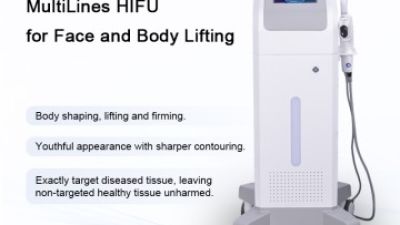
MultiLines High-Intensity Focused Ultrasound (HIFU) is reshaping modern aesthetic care by delivering concentrated ultrasonic energy beneath the skin’s surface. The treatment is designed to stimulate collagen and elastin, supporting gradual lifting, tightening, and contouring across the face, neck, and selected body areas. Unlike surgical lifting, HIFU does not require incisions or extended downtime, making it a practical option for clients seeking a more defined appearance while maintaining their normal routine.
The BL-F10 platform is developed for precise, multi-line energy delivery, allowing practitioners to target different depths according to treatment goals and anatomical areas. Focused ultrasound can heat selected tissue zones while limiting exposure to surrounding skin, supporting controlled treatment planning. Results typically develop progressively as the body produces new collagen, rather than appearing immediately after one session. Comfort levels can vary, so professional assessment and appropriate energy settings remain essential.
Industry data reflects strong consumer interest in non-surgical aesthetics. The International Society of Aesthetic Plastic Surgery (ISAPS) Global Survey 2023 recorded more than 19 million non-surgical aesthetic procedures worldwide, highlighting the growing preference for minimally invasive alternatives. In addition, market analyses from Grand View Research identify ultrasound-based skin tightening as part of the expanding energy-based aesthetics sector. HIFU may be suitable for facial contouring, jawline definition, neck firming, and selected body-lifting applications when performed by trained professionals.
FAQS
It uses controlled energy to reshape selected body areas. It may target localized fat, mild skin laxity, cellulite appearance, or muscle conditioning. It does not replace weight management or surgery.
Common categories include cryolipolysis, radiofrequency, focused ultrasound, laser energy, and electromagnetic muscle stimulation. Each category uses different energy and treatment parameters. Not all fat behaves alike.
No. Possible effects include pain, burns, swelling, and uneven results. Results vary between patients. That matters.
Request published outcomes, follow-up data, and realistic treatment photographs. Do not rely only on ideal demonstrations or sales claims. Evidence can still be limited.
Review treatment parameters, cooling limits, noise levels, power requirements, and continuous-use performance. Inspect handpieces, cables, screens, and emergency controls. Small details matter.
Ask for electrical safety reports, user manuals, labeling information, and destination-market regulatory documents. Confirm that the intended use matches local requirements. Documentation reduces avoidable surprises.
Training should cover safe operation, cleaning, troubleshooting, and realistic treatment expectations. It should also address patient screening and contraindications. Training must be practical.
Ask about installation records, service response times, maintenance schedules, warranty exclusions, and software support. Check whether replacement parts are locally available. International shipping may cause delays.
A low quote may exclude installation, customs handling, maintenance, or technical support. Compare sample invoices, packaging photos, and delivery terms. No choice is perfect.
Conclusion
Body Contouring Equipment includes professional systems designed to improve body shape, skin firmness, and the appearance of localized fat through noninvasive or minimally invasive treatment categories. Global buyers should compare technologies such as radiofrequency, ultrasound, cryotherapy, vacuum-assisted systems, and electromagnetic stimulation according to their intended applications, treatment parameters, comfort, operating efficiency, and suitability for different client needs. A clear understanding of each technology helps clinics and distributors select equipment that matches their services and market expectations.
When evaluating suppliers, buyers should review product quality, safety documentation, certifications, manufacturing standards, training, warranty terms, and technical support. Pricing should be assessed alongside customization options, minimum order requirements, shipping arrangements, installation, spare parts availability, and after-sales service. A reliable selection process includes checking supplier communication, verifying compliance with applicable regulations, requesting complete product specifications, comparing total ownership costs, and confirming ongoing support. These steps can help global purchasers choose dependable equipment while promoting safe, consistent, and professional treatment operations.