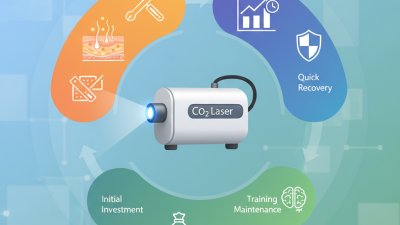
So, what exactly is a pico laser? If you're buying globally, you probably want a straight answer — not another slick sales pitch. Basically, a Picosecond laser fires incredibly short pulses, usually measured in trillionths of a second. Those pulses go after specific pigment while keeping heat spread fairly limited. That said, whether it's right for someone still comes down to skin type, what's being treated, the device settings, and the clinician's judgment.
As dermatologist and laser medicine specialist Dr. David J. Goldberg has stressed, “The best laser is the one selected for the right patient and the right indication.” And honestly, that idea really holds up when you're comparing devices from Cynosure, Candela, or some of the newer manufacturers out there. You can't just look at pulse speed and call it a day. Instead, buyers should dig into things like wavelength options, spot sizes, fluence ranges, cooling systems, software controls, and whatever published clinical evidence is available. So before you commit, ask for training records and what they actually promise when it comes to service. And don’t just take their word for it—ask for a real demo. Seriously, look past the glossy brochure.
When you’re buying globally, compliance is another thing you really have to keep an eye on. Sure, FDA clearance, CE marking, or similar approvals can help with credibility—but that doesn’t mean they let you use the product anywhere. Import rules, electrical standards, operator licensing, maintenance requirements… those can vary a lot from one country to the next. So there’s this combined platform being sold as a “Diode Laser And Pico Nd Yag Laser Machine.” It might give you some flexibility, sure—but you still need to check the specs for yourself. Some claims are still pretty vague. Yeah, that’s a bit uncomfortable, but it matters. Bottom line: confirm the pulse duration with real test data, not just attractive photos. Before you sign an international purchase agreement, take a minute to check a few things: how quickly warranty issues get answered, how easy it is to get replacement parts, and whether local technical support is actually available. This guide lays out seven practical tips for looking at peRformance, safety, total cost of ownership, and supplier reliability. Even a careful buyer can still slip up. The goal isn't perfection—it's just making fewer expensive mistakes.
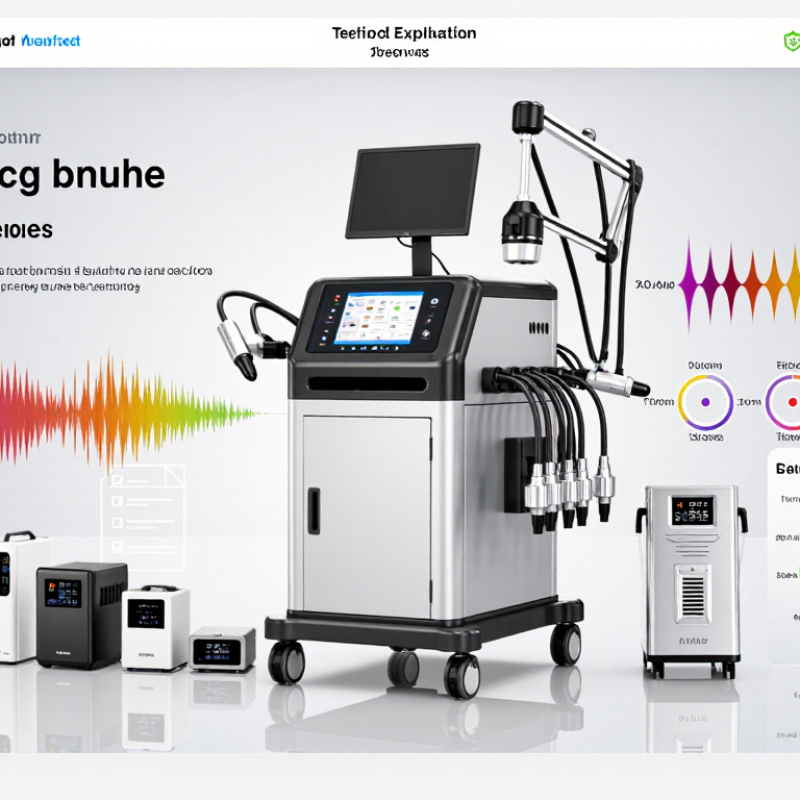
What Is a Pico Laser and How Does It Work?
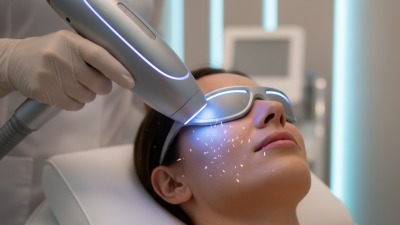
A pico laser uses ultra-short pulses, usually measured in picoseconds, to target pigment and selected tattoo ink. The pulse creates a photoacoustic effect, not simply intense heat. This pressure breaks pigment into smaller particles, which the body gradually clears. Surrounding skin may receive less thermal injury than with longer-pulse systems. It still requires careful assessment.
A 2023 systematic review in the Journal of Cosmetic and Laser Therapy reported consistent improvement in several pigment conditions, but outcomes varied by skin type and treatment settings. The review also emphasized limited long-term evidence. That matters for global buyers. “Painless” is not a reliable promise. Redness, swelling, temporary darkening, and rare pigment changes can occur. Darker skin needs conservative settings and experienced clinical supervision.
Grand View Research estimated the global picosecond laser market at approximately USD 1.4 billion in 2023, with continued growth projected through 2030. Market growth does not prove clinical superiority. Buyers should check pulse duration, wavelength options, cooling methods, service training, and published safety data. A device marketed for Láser Manchas Pico Láser may not suit every melanin level. Ask for independent testing, regulatory documentation for the intended region, and maintenance records. Marketing language can be vague. That deserves scrutiny.
Common Pico Laser Applications for Skin and Pigment Concerns
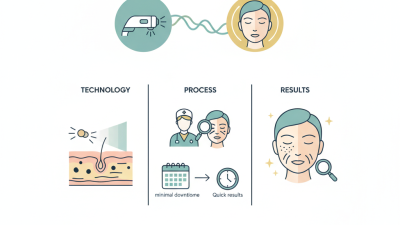
Pico laser devices deliver ultra-short pulses of energy to targeted skin areas. The energy may fragment pigment particles without relying mainly on heat. This approach is commonly considered for freckles, sun spots, age spots, and uneven skin tone.
Many clinics also use pico laser treatments for acne scars, enlarged pores, dull texture, and selected tattoo pigments. For example, a patient with scattered brown spots may notice gradual lightening after several sessions. However, melasma can be unpredictable. Heat, hormones, and sunlight may trigger it again. Post-inflammatory hyperpigmentation is also possible, especially after inflammation or excessive energy exposure.
A qualified medical professional should assess skin type, pigment depth, medication history, and previous treatments. Darker skin tones may require conservative settings and careful follow-up. Eye protection is essential. A test spot can reveal how the skin reacts before broader treatment. It is tempting to expect one dramatic session, but that expectation is often unrealistic. Results depend on the diagnosis, device quality, treatment settings, and aftercare. Some marks may not respond well at all. Patients should use broad-spectrum sun protection and avoid picking treated skin. Good documentation, informed consent, and honest discussion of risks reflect reliable clinical practice. Even experienced providers should review outcomes and adjust plans when the skin responds differently than expected.
Seven Essential Tips for Global Pico Laser Buyers
What Is a Pico Laser? 7 Tips for Global Buyers
Global buyers need more than attractive specifications when assessing a pico laser. ISAPS reported over 19 million aesthetic procedures worldwide in 2023, increasing demand for reliable, well-supported equipment. Tip 1: define the treatment goal before comparing models. Tip 2: verify the wavelength, pulse duration, fluence range, and spot sizes. These details affect pigment, tattoo, and skin-resurfacing applications. Tip 3: request independent clinical evidence, not only supplier photographs. Tip 4: check electrical safety documentation against applicable IEC 60601 requirements. Regulatory acceptance differs between markets. Do not assume one certificate works everywhere.
Tip 5: examine cooling performance during repeated treatments. A warm handpiece can affect comfort, consistency, and operator confidence. Tip 6: calculate total ownership costs, including consumables, calibration, training, shipping, and downtime. Grand View Research identifies technology and service quality as important factors in the expanding aesthetic devices market. Tip 7: test after-sales support before signing. Ask for response times, spare-part availability, software support, and technician qualifications. A low purchase price may hide expensive interruptions. That lesson is easy to overlook. Buyers should also inspect laser safety controls, user manuals, warranty terms, and local importer responsibilities. Some procurement teams focus heavily on power, while neglecting workflow and patient selection. That is a costly imbalance. Reliable purchasing requires documented evidence, transparent communication, and a realistic review of clinical limitations.
What Is a Pico Laser? 7 Tips for Global Buyers
A pico laser delivers ultra-short pulses measured in picoseconds, creating a photoacoustic effect that can target pigment and tattoo ink with limited heat diffusion. Buyers should evaluate wavelength options, pulse duration, safety controls, clinical applications, service support, regulatory documentation, and total ownership cost.
Seven Essential Tips for Global Pico Laser Buyers
- Check the wavelengths: 532 nm is commonly used for superficial red, orange, and brown pigment; 755 nm is often selected for melanin and selected tattoo colors; 1064 nm is commonly used for deeper pigment and black or blue tattoo ink.
- Compare pulse duration: Confirm that the device genuinely operates in the picosecond range and review its available pulse settings.
- Match applications to clinical needs: Verify whether the system is designed for tattoo removal, benign pigmented lesions, acne-scar improvement, or skin-texture treatments.
- Review safety controls: Look for adjustable energy, reliable cooling, skin-contact detection, emergency shut-off, and clear operating protocols.
- Verify regulatory documentation: Request applicable approvals, electrical safety certificates, user manuals, maintenance records, and import documents for the destination market.
- Assess training and service: Confirm installation support, operator training, spare-part availability, warranty coverage, and expected response times.
- Calculate total ownership cost: Include purchase price, shipping, taxes, consumables, replacement parts, calibration, servicing, and staff training.
The wavelength comparison shows why a multi-wavelength platform may be useful for buyers serving different skin concerns and tattoo colors. Actual treatment parameters must be selected by qualified professionals according to the patient, target, skin type, and device instructions.
Conclusion
What Is A Pico Laser? It is an advanced aesthetic device that delivers ultra-short bursts of laser energy in picoseconds to target pigment and stimulate skin renewal. This guide explains how pico technology works, compares common wavelength options, and explores applications for concerns such as uneven pigmentation, tattoos, acne marks, and overall skin texture. It also presents realistic treatment expectations, including the possibility of multiple sessions and varying results based on skin type and condition.
Readers will learn about the potential benefits and limitations of pico laser systems, along with safety considerations, possible side effects, and the importance of qualified operators. The article also outlines how to assess device quality through energy stability, wavelength performance, cooling features, maintenance support, and operational reliability. Finally, seven practical tips help global buyers compare specifications, verify compliance, evaluate suppliers, estimate total ownership costs, and select equipment suited to professional treatment needs.