When you're looking to buy a Q-switched Nd:Yag laser, it’s really not just about finding the lowest price. It’s more about figuring out what you actually need—consider your treatment goals, the training your staff will need, the device’s quality, and the long-term support you’ll get. Just because it’s labeled as a "Laser Nd Yag Q-Switched," doesn’t mean it’ll perform perfectly—it’s more about the technology, not a promise of top-notch results. So, it's smart to compare different options—look at wavelength choices, pulse settings, spot sizes, cooling systems, and what kind of maintenance they require. For example, a 1064 nm wavelength is great for reaching deeper targets, while 532 nm tends to be better for more superficial treatments. But honestly, specs only tell part of the story—it’s really about how the device performs in real life.
In this guide, I’ll share seven practical tips to help you evaluate equipment with more confidence. Think about factors like your own clinical experience, whether the manufacturer is transparent, whether safety docs are solid, what the warranty covers, and how quick their service response is. Don’t forget to ask if the Eo Q-Switched Nd Yag Laser comes with clear instructions and realistic performance data. Whenever possible, try to see a demo—pay attention to how the handpiece feels, how responsive the screen is, and whether the cooling system works smoothly during use. Little things can make a big difference—like if the fan’s super loud or the interface is confusing, those can become daily headaches.
You also want to factor in costs beyond just the sticker price—think about training, spare parts, installation, and potential downtime. A cheaper device might end up costing you quite a bit more down the line. I’ve learned that no checklist can cover everything, especially since marketing claims often sound pretty impressive. Getting advice from independent sources can really uncover weaknesses that sales pitches might hide. Always double-check that the device meets your local requirements and that trained professionals will be the ones operating it. Taking the time to compare carefully means you’ll make a safer choice and get more reliable service in the long run.
A Q-Switched Nd:YAG laser is not a one-purpose device. Define the treatment goal before comparing pulse energy, spot size, or cooling systems. Common applications include tattoo pigment, freckles, lentigines, and selected dermal pigmentation. The 1064 nm wavelength usually reaches deeper pigment, while 532 nm targets more superficial colors. Skin tone, pigment depth, and medical history can change the risk profile.
Write the target in measurable terms. “Reduce a 3 cm brown patch” is clearer than “brighten my skin.” Request photographs under consistent lighting. Ask whether the goal requires removal, fading, or only visual improvement. The 2024 Grand View Research market report forecasts a 10.9% compound annual growth rate for aesthetic lasers through 2030. Market growth does not prove that every application suits every patient.
Match the laser to the pigment, not the advertisement. Black tattoo ink may respond differently from red, yellow, or mixed colors. Melasma can worsen after aggressive treatment, especially with inflammation or sun exposure. Ask about test spots, expected sessions, eye protection, and post-treatment care. A perfect setting does not exist.
I would rather delay treatment than guess.
A qualified medical professional should assess suspicious lesions before any cosmetic laser procedure.
When comparing a Q Switched Nd Yag Laser Device, wavelength matters more than a polished product photo. The 1064 nm wavelength penetrates deeper and is commonly selected for darker pigment and tattoo ink. The 532 nm wavelength acts more superficially and targets red, orange, and some brown tones more efficiently. Clinical reviews indexed by PubMed repeatedly describe this depth difference, while IEC 60601-2-22 emphasizes controlled emission and user safety.
Look beyond wavelength labels. Check pulse energy, pulse width, spot size, repetition rate, and cooling design. A 2 mm spot may feel sharp on a small lesion. A 6 mm spot can cover a cheek faster. It may also demand more careful fluence control.
The American Society for Laser Medicine and Surgery highlights test spots, eye protection, and documented settings as essential clinical practices. Small details matter.
Market reports can mislead.
Grand View Research identifies wavelength versatility as a major purchasing factor in aesthetic laser demand. Still, higher energy does not automatically mean better performance. A 2023 review in Dermatologic Surgery links effective outcomes with suitable fluence, treatment intervals, and patient selection. I would request wavelength-specific output testing, service records, and real treatment photographs. Some specifications look impressive on paper. They may not reflect stable output after months of use.
Pulse settings deserve more attention than a polished sales brochure. When evaluating an Eo Q Switched Nd Yag Laser, check pulse duration, repetition rate, and selectable wavelengths. Shorter pulses can deliver high peak power, but they also demand careful fluence control. Ask whether energy is adjusted in small, repeatable increments. A device that jumps from 300 to 600 mJ may feel powerful, yet it can limit practical adjustment. Look for a clear display, stable output, and recorded treatment parameters.
Energy is only useful when the beam remains consistent. Request output testing documentation, maintenance records, and a demonstration on a test surface. The International Society of Aesthetic Plastic Surgery reported 19.1 million nonsurgical procedures globally in its 2023 survey, showing how widely energy-based treatments are used. Greater demand does not remove the need for operator training. It may increase it. Grand View Research’s 2024 aesthetic lasers analysis projected strong market growth through 2030, but market expansion is not proof of clinical quality.
Operating flexibility matters in real rooms. Check spot-size options, cooling compatibility, handpiece balance, and foot-switch response. Confirm whether settings can be locked or saved for consistent workflows. Ask about calibration intervals and service access. A small handpiece may reduce wrist fatigue during a long session. I would not judge flexibility by the number of buttons alone. More controls can create confusion. The better question is simple: can a trained operator make a precise change, understand its effect, and document it safely?
When buying a Switched Nd Yag Laser, treat user protection as a core specification, not an accessory. Check the laser class, emergency stop, keyed activation, door interlock, and clear emission indicators. IEC 60825-1 identifies Class 4 lasers as capable of causing immediate eye or skin injury. ANSI Z136.1 also requires controls based on wavelength, pulse duration, and exposure limits. Ask for test records, not promises.
Inspect the treatment room controls. A reliable system should stop emission when the door opens or the handpiece leaves its holder. Look for protective eyewear matched to the laser’s exact wavelengths. Generic glasses are not enough. The U.S. FDA states that protective eyewear must provide suitable optical density for the intended wavelength and power. This detail is often overlooked.
Request documented training and maintenance procedures. Operators should understand reflected-beam risks, warning signs, and emergency shutdown steps. OSHA guidance describes Class 4 laser hazards as including eye injury, skin burns, and fire exposure. A practical check is simple: press the emergency button during inspection and confirm that emission stops instantly. I would also review service logs, calibration dates, and fault-code history. No system is flawless. A missing record should prompt careful reconsideration.
7 Tips for Buying a Q Switched Nd Yag Laser
Build quality affects every treatment day. Inspect the housing, screen, connectors, handpiece, and footswitch for loose parts or uneven seams. Look closely. A stable laser should deliver consistent pulse energy, not merely impressive maximum power. Ask for measured output data, calibration records, safety testing, and a demonstration using appropriate test equipment. Cooling performance also matters. Watch for unusual fan noise, heat around the treatment head, or repeated shutdowns during extended operation.
Maintenance needs can quietly increase ownership costs. Confirm how often the optics, filters, cooling system, and internal components require inspection. Ask whether trained technicians and replacement parts are reasonably available in your region. Read the service agreement carefully. It should explain response times, calibration responsibilities, and warranty exclusions. I have seen buyers focus on purchase price while overlooking shipping, installation, training, and annual servicing. That mistake is expensive.
Product lifespan depends on construction and daily workload. Request an estimated pulse count, expected service intervals, and records from any demonstration unit. A laser used heavily may show wear sooner, even when its exterior looks clean. Check the treatment head for scratches, discoloration, or inconsistent beam alignment. Consider your room conditions too; dust, unstable power, and poor ventilation can shorten equipment life. Do not accept vague promises about durability. Require documentation. I would also leave room for uncertainty, because lifespan estimates vary with settings, operators, and maintenance habits. A careful inspection may reveal more than a polished sales presentation.
100-point buyer evaluation framework covering build quality, maintenance needs, and expected product lifespan.
Use this weighting to compare products consistently: optical and pulse stability affect treatment performance, while cooling, service access, spare parts, documentation, and warranty support influence maintenance requirements and long-term usability. Always verify specifications, service intervals, and expected operating life in the product documentation.
Buying a Q-switched Nd:YAG laser requires more than comparing prices. Review supplier credentials before discussing specifications. Ask for registration documents, manufacturing history, and quality-control procedures. A credible supplier should identify trained engineers and provide verifiable installation records. Request references from clinics using similar treatment settings. Speak with those clinics directly, not only through written testimonials.
Details matter.
Training should cover operation, eye protection, skin assessment, contraindications, and emergency response. Ask whether instruction is hands-on, documented, and adapted to your staff’s experience. A short video call may not prepare anyone for real treatment decisions. Request a competency checklist and supervised practice before accepting the unit.
Still, training certificates can look impressive while practical confidence remains weak. That deserves closer attention.
Keep attendance records and refresher dates.
Read the warranty line by line. Confirm coverage for the laser source, handpiece, power supply, cooling system, and replacement labor. Check response times, shipping responsibilities, and exclusions for consumables or misuse. Service quality often becomes visible after delivery. Ask for a written maintenance schedule, remote diagnostics process, and local technical support. Confirm spare-part availability for several years.
A low purchase price can become expensive during downtime.
I have learned that vague promises create stress when equipment fails.
Put every important answer in writing, even when the supplier seems trustworthy.
Buying a Q Switched 1064 Nd Yag Laser Equipment requires more than comparing the purchase price. I once underestimated the real budget by ignoring installation, staff training, and annual calibration. That mistake still matters. Ask for a written quotation covering delivery, setup, accessories, warranty limits, and technical support. Include room preparation, electrical upgrades, protective eyewear, insurance, and maintenance visits. A low-priced unit may become expensive after repeated service delays.
Calculate the total cost over three to five years. Record consumables, software fees, replacement lamps, calibration checks, and operator training. Also estimate downtime if the system needs repair. Speak with a qualified laser safety professional before signing anything. Their advice may reveal ventilation, controlled-access, or emergency-shutoff requirements that sales materials overlook. Keep every invoice and service report.
Regulatory compliance needs separate confirmation. Device registration, import rules, advertising restrictions, and operator qualifications differ by location. Contact the relevant health authority, workplace safety office, and electrical inspection body. Request current certificates, user manuals, risk assessments, and evidence of testing from the supplier. Do not rely on verbal promises. Check the model’s classification and permitted treatment uses in your jurisdiction. Some documents may look complete but contain outdated standards. I have learned to pause when paperwork feels vague. A compliance review may delay purchase, but an unverified machine can create greater financial and professional risks.

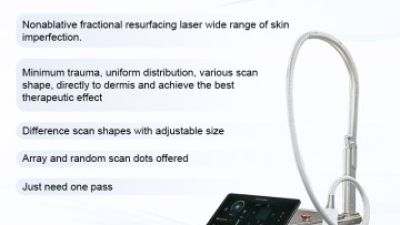
Nonablative fractional resurfacing with a 1550nm fiber laser is designed to improve skin texture while preserving the surface layer of the skin. By delivering controlled fractional energy into the dermis, it can support collagen remodeling and address mild to moderate sagging, acne vulgaris, acne scars, fine lines, uneven texture, and the visible signs of aging. Because the treatment is nonablative, it may offer a shorter recovery period than fully ablative resurfacing, although redness, swelling, or temporary sensitivity can still occur.
The BL-K30 is a practical option for clinics seeking a versatile 1550nm treatment platform. When evaluating this type of device, buyers should examine its energy range, pulse control, scanning pattern, treatment density, and spot-size flexibility. Adjustable parameters allow practitioners to tailor sessions for different skin concerns and body areas, while an intuitive interface can improve workflow and treatment consistency. Cooling technology, reliable handpiece construction, emergency controls, and clear operating guidance are also important considerations. Clinics should confirm whether installation, staff training, maintenance, and replacement parts are available, and ensure that every procedure is performed by qualified professionals according to applicable local requirements.
Wavelength affects penetration depth and pigment response. The 1064 nm wavelength reaches deeper pigment. The 532 nm wavelength acts more superficially.
The 1064 nm wavelength is commonly selected for darker pigment and tattoo ink. Treatment choice still depends on skin type and assessment.
It can target red, orange, and some brown tones more efficiently. It acts closer to the skin surface.
Compare pulse energy, pulse width, spot size, repetition rate, and cooling design. Do not trust energy ratings alone.
A 2 mm spot may suit a small lesion and feel sharply focused. A 6 mm spot can cover a cheek faster.
No. Suitable fluence, treatment intervals, and patient selection matter more. Excessive energy can increase safety concerns.
Request wavelength-specific output testing, service records, warranty limits, manuals, and treatment photographs. Paper specifications may not show stable performance.
Include installation, training, eyewear, calibration, maintenance, insurance, replacement lamps, and possible downtime. My earlier budget missed training.
Confirm registration, import rules, permitted uses, advertising limits, and operator qualifications locally. Ask for current certificates and risk assessments.
A qualified laser safety professional may review ventilation, controlled access, electrical needs, and emergency shutoff procedures. Pause if documents seem vague.
Choosing a Laser Nd Yag Q-Switched system requires more than comparing prices or appearance. Begin by defining your treatment goals and intended applications, then compare available wavelengths, output consistency, spot sizes, and beam performance. Review pulse duration, energy adjustment, repetition rate, and operating modes to ensure the equipment can support different procedures with accurate, flexible control. Safety should also be a priority, including cooling functions, emergency shutoff, protective alerts, and user-friendly controls that help reduce operational risks.
Examine the unit’s construction, component quality, cleaning requirements, and expected service life. A dependable supplier should provide professional training, clear documentation, responsive technical support, a practical warranty, and access to replacement parts. Finally, calculate the complete cost of ownership, including installation, maintenance, consumables, and staff education. Before purchasing, confirm that the device has the required certifications and complies with the regulations applicable in your location. A careful assessment of performance, safety, support, and compliance can lead to a more reliable long-term investment.