Leave Your Message
0%

So, why should you consider Ems Body Sculpting for your business? Well, it all starts with changing client expectations. Nowadays, people want visible body contouring results but don’t want to sit through hours of downtime. They’re looking for honest, realistic consultations and professional guidance every step of the way. According to Grand View Research, the global market for body contouring devices is growing steadily, fueled by demand for noninvasive aesthetic treatments. That’s a pretty big opportunity, but let’s be clear—growth doesn’t automatically mean success.

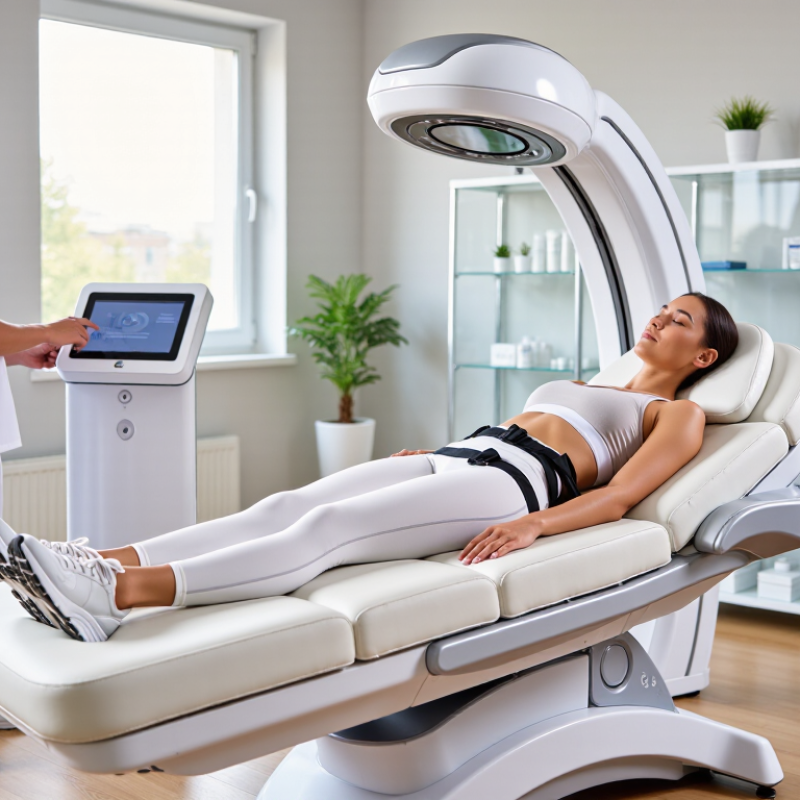
For example, an Ems Body Sculpting Machinecan be a real asset to a modern studio—if you understand what it can and can’t do. It uses electromagnetic pulses to cause muscles to contract repeatedly, which helps with Body Shaping. But remember, the treatment protocols, client screening, ongoing maintenance, and aftercare all play huge roles in how effective and satisfying the experience is for your clients. The FDA recommends that consumers really understand what each device is meant for, along with its risks and any contraindications—something every responsible business owner should keep in mind.

Dr. Bruce Katz, a well-known dermatologist specializing in noninvasive body contouring, has been quoted saying, “Noninvasive body contouring isn’t a substitute for losing weight.” And honestly, that’s something you should keep in mind when marketing your services. Don’t oversell or promise dramatic transformations after just one session. Instead, be honest—explain that results will vary from person to person, and that maintaining healthy habits is still key. Creating a clean, professional treatment environment, keeping detailed consultations, regularly calibrating your equipment, and having well-trained staff all help build trust with your clients, way more than inflated promises ever could.

The market is definitely there—no doubt about it. But, just like anything new, there’s a learning curve. Some clients might expect quick “magical” results, and others might need a series of treatments with proper follow-up. The secret is to measure satisfaction honestly, track outcomes, and listen to client feedback. Your daily service quality and reputation are what really make a difference. When you decide to go with Ems Body Sculpting, be ready to combine cutting-edge tech with evidence-based care, transparent communication, and a steady commitment to professionalism. That’s the true path to success.

In the end, it’s about balancing opportunity with responsibility—delivering real results ethically and thoughtfully, and building trust every step of the way.

Why Choose EMS Body Sculpting for Your Business?

What Is EMS Body Sculpting?

EMS body sculpting uses controlled electrical impulses to stimulate selected muscles during a supervised session. Small electrodes send signals through the skin, creating repeated contractions that may feel like gentle tapping or firm tightening. The client usually lies or stands while a trained practitioner adjusts the intensity for comfort and safety.

The process is not a replacement for exercise, nutrition, or medical treatment. Its purpose is to support muscle activation and body-contouring goals, although results can differ between individuals. A professional should review health history before treatment, including pregnancy, implanted electronic devices, seizure disorders, and skin conditions. Clear records and honest consultations build trust.

For a business, EMS body sculpting can offer a structured service with short appointments and measurable client feedback. A session might include a preparation check, electrode placement, gradual intensity changes, and aftercare guidance. Clients may notice muscle fatigue afterward, similar to a mild workout. However, the terminology can sound more precise than the science allows. Results are not guaranteed, and maintenance may be necessary. Careful practitioners avoid exaggerated promises and explain what the technology can—and cannot—realistically do.

How EMS Body Sculpting Works

Why Choose EMS Body Sculpting for Your Business?

How EMS Body Sculpting Works

EMS body sculpting uses controlled electrical impulses to stimulate motor nerves. These impulses create repeated muscle contractions during guided movements. A client may feel rhythmic tapping, tightening, or mild vibration beneath the electrode pads. The sensation should remain challenging, never sharply painful.

A peer-reviewed meta-analysis in Sports Medicine reported pooled effects near 0.5 standard deviations for muscle strength and lean mass. However, protocols and participant fitness levels varied widely. The U.S. Food and Drug Administration warns that EMS cannot replace regular exercise. It also lists possible risks, including skin irritation, burns, pain, and electrical shock when devices are misused.

That matters for operators.

An Ems Sculpting Machine For Fitness Centers should support careful onboarding, adjustable intensity, and documented client screening. Trained staff can check pad placement, explain sensations, and stop a session when discomfort appears. A ten-minute appointment may fit neatly between strength classes, but convenience is not proof of effectiveness. Results depend on frequency, nutrition, recovery, and active movement.

The industry still has gaps. Some marketing promises move faster than the evidence. A responsible facility should track attendance, comfort ratings, circumference changes, and strength tests over several weeks. Those records create a clearer experience than dramatic before-and-after claims. Some clients may respond slowly. That is normal.

Why Choose EMS Body Sculpting for Your Business? - How EMS Body Sculpting Works
Business Dimension Potential Business Value How EMS Body Sculpting Works Typical Practical Data Important Considerations
Treatment Mechanism Provides a differentiated, technology-assisted body-contouring service. Electrodes deliver controlled electrical impulses that cause involuntary muscle contractions. The stimulation is designed to complement, not replace, voluntary exercise. Electrical muscle stimulation has been used in rehabilitation and strength-conditioning settings for decades. Results depend on device settings, treatment protocol, muscle condition, and client adherence.
Session Efficiency A short appointment format can support compact schedules and additional service capacity. The device stimulates selected muscle groups during a supervised session, reducing the need for multiple conventional exercises in the same appointment. Many commercial protocols are structured around sessions of approximately 20–30 minutes, depending on the equipment and provider. Session length must follow the equipment manufacturer’s instructions and the operator’s training.
Muscle Activation Offers a service focused on muscle engagement and physical conditioning rather than weight loss alone. The electrical current activates motor nerves, producing repeated contractions in the targeted muscles. Research supports improvements in muscle strength or performance in some EMS applications, although outcomes vary across studies. EMS should not be presented as a guaranteed substitute for resistance training or a balanced exercise program.
Body-Contouring Positioning Can complement a wider portfolio that may include fitness, wellness, recovery, or aesthetic services. Repeated muscle contractions may support muscle tone and conditioning. EMS does not directly remove body fat or guarantee permanent body-shape changes. Visible changes, when achieved, generally require repeated sessions and may be influenced by nutrition, activity, and baseline body composition. Marketing should use evidence-based language and avoid promising spot reduction or guaranteed results.
Client Convenience May appeal to clients seeking a guided service with limited exercise-equipment requirements. A trained professional places electrodes on selected muscle areas and adjusts intensity according to the client’s tolerance and treatment plan. The client remains supervised throughout the session and commonly reports a strong but controlled contraction sensation. Comfort varies. Intensity should be increased gradually, and pain, dizziness, or unusual symptoms require immediate assessment.
Service Personalization Supports tailored programs based on client goals, target areas, experience, and tolerance. Operators can select muscle groups and adjust pulse intensity, duration, and rest intervals within the device’s approved parameters. A qualified operator typically records client history, target areas, settings, session response, and progress over time. Consistent documentation improves safety, service quality, and communication between appointments.
Revenue Structure Can be offered as single appointments, multi-session programs, or an add-on to eligible services. The service is delivered in scheduled appointments using reusable equipment and consumable contact materials where required. Pricing, package size, staffing cost, and appointment capacity should be calculated from local operating expenses rather than assumed industry averages. A financial model should include equipment costs, training, maintenance, insurance, cleaning, consumables, and rebooking rates.
Safety Screening A structured screening process can strengthen professional standards and client trust. Electrical stimulation interacts with nerves and muscles, so contraindications and precautions must be checked before treatment. Common screening topics include implanted electronic devices, pregnancy, seizure history, skin condition, circulation concerns, and significant medical conditions. Follow applicable regulations, device instructions, medical guidance, and informed-consent procedures. Do not treat clients who should be medically cleared until clearance is obtained.
Training and Compliance Qualified operators can deliver more consistent sessions and reduce avoidable operating risks. Correct electrode placement, intensity control, hygiene, emergency procedures, and client monitoring are essential to the treatment process. Training requirements differ by location, profession, device classification, and business model. Verify local licensing, electrical-safety, advertising, insurance, and consumer-protection requirements before launch.
Evidence and Expectations Transparent claims support long-term reputation and reduce the risk of misleading advertising. EMS can produce muscle contractions, but the strength of evidence differs by intended use, device type, protocol, and client population. Outcomes are not uniform, and EMS evidence does not establish guaranteed fat loss, permanent contouring, or identical results for every client. Use clear disclaimers, set realistic goals, and encourage appropriate nutrition and physical activity alongside the service.

Note: Treatment duration, device settings, contraindications, training requirements, and permitted advertising claims vary by equipment and jurisdiction. Businesses should follow the applicable user manual, professional guidance, and local regulations.

Key Benefits for Clients and Businesses

EMS body sculpting can add a practical service for clients seeking efficient, supervised muscle stimulation. It may support muscle activation when regular training feels difficult or time is limited. However, it is not a magic shortcut for fat loss or long-term fitness.

The World Health Organization reported that 31% of adults worldwide were insufficiently active in 2022. This creates demand for accessible, structured wellness services. The 2024 Health & Fitness Association Consumer Report recorded 72.9 million U.S. fitness facility members in 2023. An EMS service can help businesses reach this growing audience with short sessions and limited floor space. It may also create additional revenue through packages, consultations, and progress tracking. Still, retention depends on real service quality, not attractive promises.

Tips: Use qualified practitioners, client screening, and clear informed consent. Record session settings and client feedback. Explain that results vary with nutrition, training, sleep, and consistency. Current research suggests whole-body EMS may improve strength, but evidence remains limited for every body-sculpting claim. That uncertainty matters. Businesses should review contraindications, follow equipment guidance, and avoid presenting EMS as a medical treatment. Client photos can show change, but measurements and functional improvements often provide more reliable evidence.

Equipment, Space, and Staffing Requirements

Why Choose EMS Body Sculpting for Your Business?

Launching an EMS body sculpting service requires more than purchasing an Ems Sculpting Device. Equipment should offer adjustable intensity, secure electrode connections, and clear treatment guidance. Choose systems that are easy to clean after every session. A washable treatment mat, disinfectant, spare garments, and organized cables support safer daily operations. Keep maintenance records. Small faults can become expensive interruptions.

Space planning affects comfort and workflow. A private treatment area of roughly 80 to 120 square feet can provide room for a device, client movement, storage, and staff access. Good ventilation and stable flooring matter. Leave clear paths around the treatment table.

Our first imagined layout looked efficient, but crowded cables quickly exposed a practical weakness. A trial setup with a chair, cart, and equipment can reveal problems before opening. Staff should understand device controls, contraindication screening, hygiene procedures, and emergency responses. Formal training and documented protocols build reliability, while local professional requirements should guide operations.

Costs, Revenue Potential, and Return on Investment

Why Choose EMS Body Sculpting for Your Business?

An Ems Sculpting Machine can create a new service line without requiring a large treatment room. However, the purchase price is only one part of the investment. Include delivery, installation, staff training, maintenance, insurance, marketing, and local compliance costs. A realistic budget is more useful than an attractive sales promise.

Consider a simple example. Suppose one session costs $120, with two clients daily and 20 operating days monthly. That produces $4,800 in gross revenue. After treatment supplies, staffing, rent allocation, and maintenance, the remaining amount may be much lower. If your equipment and setup cost $20,000, the payback period could exceed five months. This is only an illustration, not a guarantee. The weak point is utilization. Empty appointment slots quickly damage ROI.

Tips: Track bookings, cancellations, repeat visits, and actual labor time each week. Offer consultations before selling packages, and explain realistic outcomes without promising medical results. Confirm electrical requirements and service support before purchasing. Ask for written cost details. Review local regulations with a qualified professional.

A reliable forecast should use conservative numbers. Test demand with a limited launch when possible. Client feedback may reveal that pricing, scheduling, or staff confidence needs adjustment. That reflection matters more than a perfect spreadsheet.

Safety Standards, Client Care, and Business Growth

Why Choose EMS Body Sculpting for Your Business?

Safety should guide every decision involving an Ems Body Slimming Machine . Staff need practical training, not just a short product demonstration. They should understand electrical stimulation, treatment limits, skin conditions, and possible contraindications. Each client deserves a clear consultation before the first session. Ask about medical history, implanted devices, pregnancy, recent surgery, and current symptoms. Obtain informed consent without promising dramatic results.

Small details build trust. Clean contact surfaces before and after every appointment. Check cables, pads, settings, and emergency controls daily. Keep accurate treatment records, including intensity, duration, client feedback, and any unusual response. Stop immediately if a client reports sharp pain, dizziness, or persistent discomfort. Comfort matters.

Client care drives business growth.

A quiet room, clear instructions, and realistic progress photos can make sessions feel more professional. Explain that results may vary with lifestyle, body composition, and treatment consistency. Follow-up messages can reveal discomfort that clients may not mention in person. They also encourage responsible rebooking. However, retention should never outweigh safety.

No system is flawless. Staff may miss a detail on a busy day, so checklists and regular audits are valuable. Review complaints honestly, update training, and consult qualified healthcare professionals when concerns exceed staff expertise. A business grows more reliably when clients feel informed, respected, and safe. Consistent standards create stronger referrals than exaggerated claims.

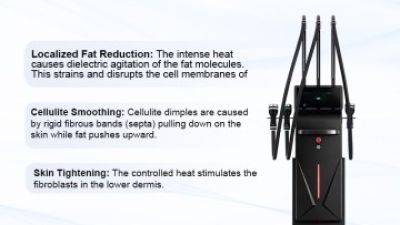
Microwave Body Contouring Systems: A Data-Driven Outlook from Grand View Research Reports

Microwave body contouring is gaining attention as the aesthetic device market moves toward non-invasive, measurable, and time-efficient treatments. In the data-driven outlook highlighted by Grand View Research reports, demand is increasingly shaped by consumer interest in localized fat reduction, cellulite improvement, and skin tightening without surgical recovery. The BL-F50 microwave system addresses these preferences through 2.45 GHz energy, offering a technology platform designed for clinics seeking versatile body-contouring applications and consistent treatment protocols.

Its core mechanism is based on dielectric heating and tissue selectivity. Microwave energy can penetrate toward subdermal fat layers, where tissue resistance converts electromagnetic energy into controlled thermal stimulation while the outer skin is managed through appropriate treatment parameters. This approach supports the simultaneous targeting of localized fat, the visible appearance of cellulite, and skin laxity. For professional users, the system’s value can be assessed through practical indicators such as treatment-area coverage, protocol repeatability, comfort management, and workflow efficiency, aligning with a market increasingly focused on predictable performance and patient-centered outcomes.

FAQS

How does EMS body sculpting work?

Controlled electrical impulses stimulate motor nerves through electrode pads. Muscles contract repeatedly during guided movements. Clients may feel tapping, tightening, or mild vibration.

Should EMS body sculpting feel painful?

The sensation should feel challenging, not sharply painful. Ask clients to report burning, strong pain, or unusual discomfort immediately. Stop the session when needed.

Can EMS replace regular exercise?

No. EMS may support muscle activation, but it cannot replace regular exercise. Results also depend on nutrition, sleep, recovery, and consistency.

What results can clients reasonably expect?

Some clients may improve muscle strength or lean mass. Responses vary widely. Progress can be slow. That is normal.

How should a facility track progress?

Record attendance, session settings, comfort ratings, circumference measurements, and strength tests. Measurements can be more useful than dramatic photographs. Evidence remains imperfect.

What should staff check before each session?

Staff should confirm client screening, pad placement, device settings, and informed consent. Explain expected sensations clearly. Keep emergency procedures available.

What equipment and supplies are useful?

Choose equipment with adjustable intensity, secure connections, and clear guidance. Keep washable mats, disinfectant, spare garments, and organized cables nearby. Clean after every session.

How much space does an EMS service need?

A private area of roughly 80 to 120 square feet may support equipment and movement. Leave clear paths around the treatment area. Stable flooring and ventilation matter.

How can a business improve daily operations?

Assign trained staff to inspect equipment before opening. Allow about ten minutes between appointments for cleaning and cable checks. Our imagined layout looked efficient, but crowded cables changed our view. Small mistakes reveal weak processes.

Conclusion

Ems Body Sculpting is a modern business opportunity that uses controlled electrical muscle stimulation to support assisted muscle contractions during guided sessions. By combining suitable equipment, professional supervision, and personalized plans, businesses can offer clients a convenient approach to fitness support and body-toning goals. The service may appeal to people seeking time-efficient sessions, while also creating opportunities for recurring appointments and complementary wellness services.

Launching an Ems Body Sculpting business requires an appropriate treatment space, reliable equipment, trained staff, clear operating procedures, and strong client communication. Owners should evaluate setup costs, ongoing maintenance, staffing, marketing, and pricing before estimating revenue and return on investment. Success depends on responsible client screening, informed consent, hygiene, equipment maintenance, and adherence to applicable safety and professional standards. With consistent service quality, ethical promotion, progress tracking, and attentive customer care, the business can build trust, encourage retention, and support sustainable growth.

Lila

Lila

Lila is a dedicated marketing professional at Shanghai Beilray Medical Technology Co., Ltd., where she leverages her extensive expertise in the medical industry to drive the company's outreach and visibility. With a keen understanding of the intricacies of medical technology, Lila specializes in......
Previous How to Choose the Best 1550nm Fiber Laser in 2026?